
Start with recent sales of land like yours in Mathews County, Virginia. Match the size, way in, water features and what each price included. Use the closest matches to discuss a selling range. An asking price or tax value is not a promise of what a buyer will pay.
Start With What You Know
Grab a tax bill, deed or old survey. Write down the acres and parcel number. The parcel number is the county's number for your piece of land. If you own several pieces, list each one. A buyer's price may cover more than one parcel.
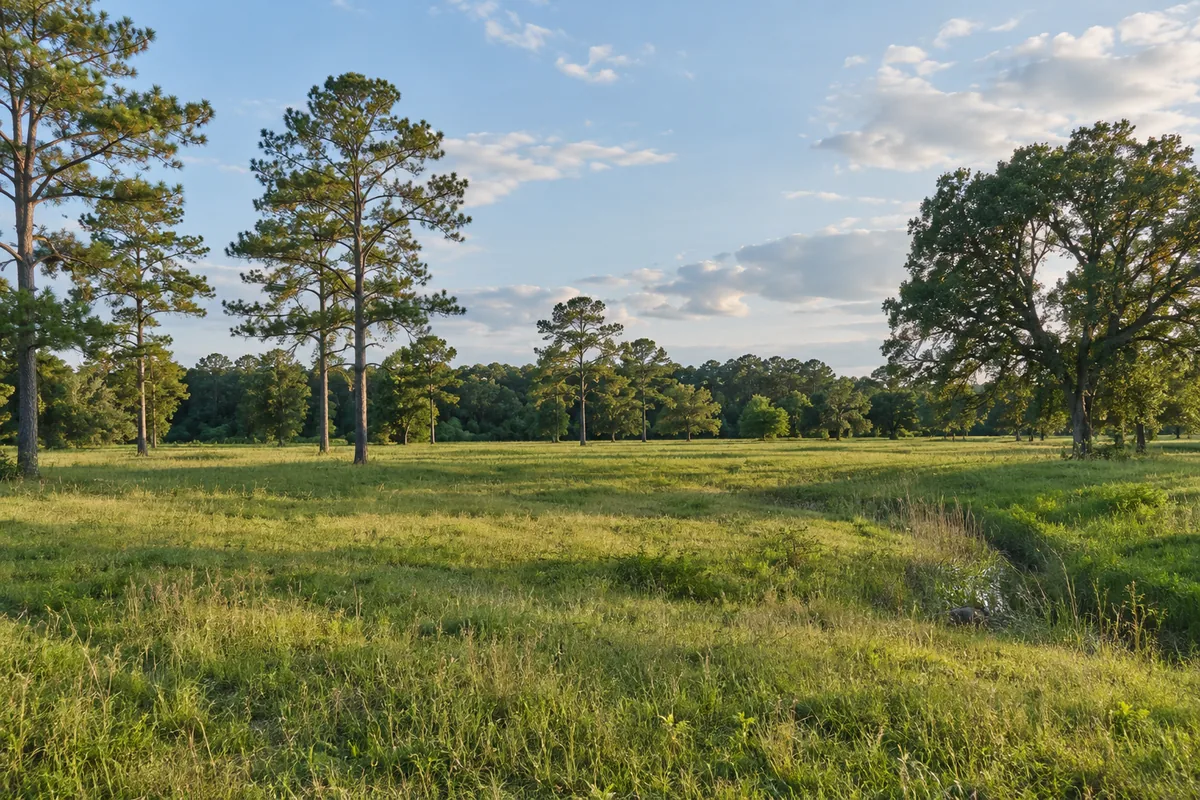
Make a short note about the land. Is it mostly open or wooded? How do you reach it? Is a house, cabin or barn included? Is someone renting or using it? Mark any details you still need to check.
You don't have to know every answer today. These notes help you find better comparisons and explain what you're selling.
Find Your Land Record Before Comparing Prices
Find a tax bill, deed or old survey. Write down the parcel number, acres and nearest road. A parcel number is the county’s number for a piece of land. Keep each number separate if you own several pieces.
The county’s Real Estate page links to mapping and property cards. A property card is a summary of the county’s information about land and buildings. Start there, and match the location and acres to your own papers.
If an older mapping link does not work, use the current county website or ask the office where to look. The Commissioner of Revenue page lists 804-725-7168. Have your tax bill or land number ready when asking about a mismatch.
The county says general reassessments happen every six years, with some property changes handled in between. Check the year and what an assessment includes. A tax assessment is useful background, but it is not a completed sale or an offer for your land today.
A map helps you find the land. It does not replace a survey or prove a right to cross another parcel. Keep a note about anything you still need to check, such as a boundary, road or included building.
Ask for Completed Sales You Can Check
Ask a local land agent or appraiser for recent completed land sales and the source of each price. Save the parcel numbers, deed reference, acres, sale date and full price together. A deed helps identify a transfer but may not explain the full price or every item included.
Check that a reported sale really closed. An asking price or price cut on a listing does not tell you what a buyer paid. A document’s recording date may also differ from the sale date.
If you need a missing deed, ask the office that keeps land records how to get a copy. Have the owner name and any book, page or document number ready. Ask what kind of copy you need before paying for one.
For a sale with several parcels, list every piece included. Keep a house, dock, well or other feature with the sale it belongs to. Do not treat the full price of improved property as the price of bare land.
Keep asking prices in a separate list. They can help you see the choices buyers have, but they are not completed-sale evidence. Leave an unclear example out of your main comparisons until you can check it.
Compare the Water Features and Usable Ground
A water view, land next to water and a checked right to reach the water are different features. Write down what your land actually has. Do the same for each sale you compare.
- Water: Note whether the land touches water, has a view or is simply nearby. Check any shared access agreement instead of guessing.
- Ground: Describe open or wooded areas and places you know stay wet. A wide parcel may have less usable ground than its total acres suggest.
- Way in: Note the road, entrance and any agreement about crossing other land.
- Included items: List a house, pier, well, fence or other feature included in the price.
- Size and use: Compare small lots with similar lots. A larger tract may draw different buyers and need different price examples.
Use the county’s Planning, Zoning and Wetlands page for questions about a use you have not checked. It lists 804-725-4034. Give the exact parcel number and explain the proposed use, such as a home, lot split or shoreline work.
The county’s tidal wetlands page describes permit requirements for placing material in those areas. It also has an older 2025 hearing calendar. Ask for current steps and dates before promising work or using that calendar.
You do not have to finish every study before asking for price help. Mark open questions clearly. Nearby houses, a dock in an old photo or a water view do not prove what a new buyer can build or use.
If you can safely visit, take recent photos of the entrance, ground and water features. Keep the photo date with your notes. Compare similar features rather than adding a guessed “waterfront bonus” to every acre.
Make a Short Comparison Sheet
For each useful sale, save the source link or report number. Add the sale date, parcel numbers, acres, full price and any buildings. Then write one sentence about how it differs from your land.
Do not average a high-priced property with a house into a vacant-land price. Check each example before deciding that a small number of acres makes it a useful lot sale. A different town label or listing date also does not prove a separate deal.
Count the same sale once, even if it appears on several websites. A new listing date or price change doesn't mean the land sold again. Several parcel numbers in one report don't automatically mean several separate sales.
Here's a made-up example of price-per-acre math:
- 20 acres sold for $80,000: $4,000 per acre.
- 40 acres sold for $120,000: $3,000 per acre.
- 5 acres with a cabin sold for $90,000: don't treat the whole $18,000 per acre as a land-only price.
These numbers aren't Mathews County sales or an estimate for your property. They show why you should check what a price includes. Don't multiply the highest per-acre figure by your acres and stop there.
Use the closest matches to discuss a range. If the records are thin or mixed, say so. A local land agent or appraiser may help find better comparisons. Our land value guide explains other details that can affect a buyer's price.
Compare What You Would Keep
Once you have a range, choose how you want to sell. An agent can help price and market the land. Selling yourself means handling the listing, questions and offers. A direct buyer can give you an offer to compare. Look at the work, time and costs of each choice.
Ask for the price and terms in writing. Check who pays closing costs, any agent fee, the planned closing date and what lets the buyer cancel. Ask how loans or unpaid taxes would be handled.
The Treasurer’s page lists 804-725-2341 and a link to view property taxes. Ask for a current balance on the right account. A tax assessment, tax bill and completed sale price are different numbers. Have the closing professional confirm what would be paid from the sale.
For a simple made-up example, a $60,000 offer minus $4,000 in seller costs leaves $56,000 before any loan or unpaid tax balance. A higher offer with more costs may leave less. Use our offer comparison worksheet to put the choices side by side.
Want a direct offer to compare? You can tell Reelvest about your land. Start with what you know. You decide whether an offer fits your plans. For the full selling steps, read our Mathews County seller guide or Virginia land seller guide.
Questions About Mathews County Land Value
What is the average land price in Mathews County?
Compare recent completed sales of similar land. We do not give a current county average here because distinct land-only sales have not been verified. Water features, usable ground, size and buildings can change which sales fit.
Can I use my tax assessment as my asking price?
Use it as background, not the only reason for a price. Check its year and whether buildings are included. Compare recent completed sales of land with similar features.
Does land near water have the same value as waterfront land?
Not automatically. A view, frontage and a checked right to reach the water are different features. Confirm what your land has and compare sales with similar features.
Who can help with shoreline or land-use questions?
The county Planning, Zoning and Wetlands page lists 804-725-4034. Give your parcel number and describe the proposed use. Ask for current steps before promising building or shoreline work.
Who can help with my unpaid property taxes?
The Treasurer's page lists 804-725-2341 and a property-tax lookup link. Ask about the right account and a current balance. Have the closing professional confirm what would be paid from the sale.
Do I need every paper before asking about an offer?
No. Start with the location, acres if known and any land ID, tax bill or deed you have. Explain what is missing. Ownership and signatures still need checking before a sale closes.
Local source links reviewed October 7, 2026.