
Ask for completed sales of land like yours, then check the property behind each price. Start with your parcel number and deed. Cambria County has separate searches for newer and older deed records. The links below help you find the papers, choose useful comparisons and decide what to ask before accepting an offer.
Find the right deed search for the date
The Cambria County Recorder of Deeds lists its current online records back to 1986 and a separate historical index for older records. A deed is the paper used to transfer ownership. Start from the county’s page so you have the right search link.
If an old family paper falls near the change between systems, ask the office which search to use. The page gives slightly different ending years for the historical index in two places. If you cannot find a document, that is a reason to ask for help, not proof that it does not exist.
Keep the document date, names and book/page or document number from papers you have. Do not order a bundle of copies before you know what you need. Check any copy or download charge first.
The Cambria County map resource page links to county map apps. Use a map to help locate the land, then keep the deed and any survey with it. A survey is a drawing that helps describe land lines. A screen map alone does not settle a boundary or access question.
Ask for matches, not just nearby addresses
A local land agent can help you find a few completed sales that fit. Ask why each one is useful. Check these details:
- Size and shape: is it much like your land?
- Ground: is it open, wooded, level or steep?
- Entrance: how did the buyer reach it?
- Services: what was known about water and power?
- Buildings: did the price include a house or barn?
- Timing: when did the sale close?
A lot with services in place may be a poor match for a larger wooded tract. Do not treat them as the same just because both are in Cambria County.
If useful sales are scarce, ask whether a wider area or older dates could help. Keep the differences clear. A price range should come with reasons you can understand.
Make one note for the whole sale
Write down the parcel numbers, date, full sale price, total acres and deed reference. A parcel is a piece of land listed in county records. Add any home, equipment or other property included in the price.
Keep all parcels in one sale together. For a made-up example, one buyer pays $150,000 for two pieces of 8 and 12 acres. That is 20 acres, or $7,500 per acre. Dividing the full price by only the 8-acre piece gives a misleading figure. This is a math example, not a local sale or estimate for your land.
Check for repeated listings too. A road name and a lot number may describe the same land. Compare the parcel and deed references before counting them as separate sales.
Do not use a long list unless you can check what the rows mean. More entries do not help if the prices mix buildings, several parcels and repeat names.
Describe the differences that matter
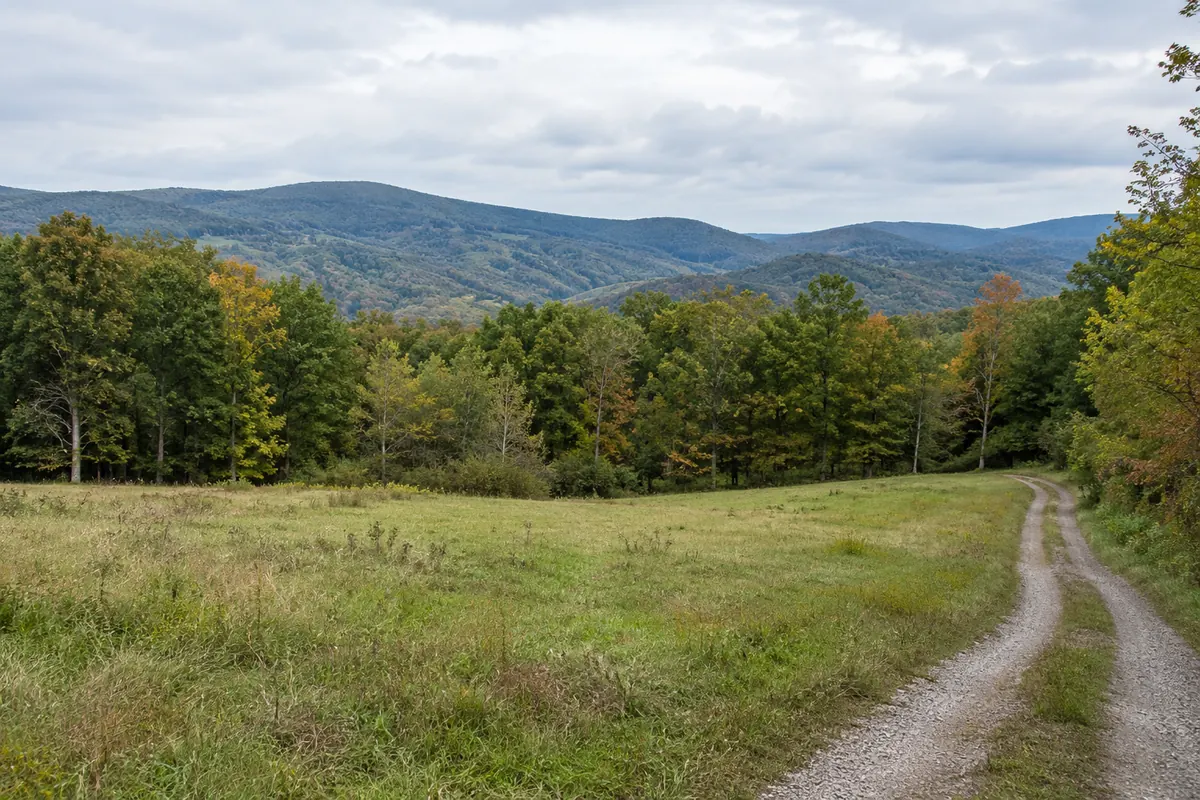
Take a few photos if you can safely: the entrance, open ground and a view of the woods or hills. Share an older photo with its date if that is what you have.
Write down how you reach the land. Keep any written right to cross another property with your papers. Do not turn a track on a map into a promise about access.
Note a tenant, lease, shared owner or question about rights listed in the deed. Tell an agent or buyer what you know and what still needs checking. It is fine to say “I’m not sure.”
You do not need to plan a future home or pay for new tests before starting a price conversation. Ask which missing detail matters before spending on it.
Choose how you want to sell
An agent can help set a price, advertise and answer buyers. Ask about fees and experience with land like yours.
You can find a buyer yourself if you want to handle ads, photos and questions. Get help with the written agreement and closing papers.
A direct buyer may give you an offer to compare without a public listing. Ask what the buyer will check and whether the agreement allows them to cancel. A faster target date is not the only thing to compare.
If you’re helping settle a loved one’s estate, start with the papers you have. Ask the person helping with closing which records and signatures are needed before setting a firm date.
Compare the money you keep and the steps left
Ask for the price, costs assigned to you, loan payoff and taxes in writing. Check the deposit, deadlines and rules for canceling. Ask who prepares the sale papers and what is still needed.
The Recorder’s page lists county approval steps for recording deeds. The person preparing the deed can check those steps for your sale. You do not need to learn the county’s paperwork system alone.
In a made-up example, $90,000 with $6,000 in costs leaves $84,000 before loans and taxes. An offer of $87,000 with $2,000 in costs leaves $85,000. These are examples, not offers for your land.
Use the offer worksheet and Pennsylvania land seller guide for more help. If you’d like a direct offer to compare, tell Reelvest about your land.
Questions About Cambria County Land Value
What if I cannot find an older Cambria County deed online?
Ask the Recorder’s office which search or office record covers the document date. Keep any names and book/page reference you have. A missing online result is not proof that the paper does not exist.
Can I use a nearby home sale to price empty land?
Check what the sale included. A home or other buildings may make it a poor match for empty land. Ask a land agent for better comparisons.
Why should I keep all parcels in one sale together?
The full price may cover several pieces. Dividing it by only one piece can give a misleading price per acre.
Do I need new tests before asking about a price?
Start with the papers and photos you have. Ask which missing detail matters before paying for new work.
Local source links reviewed October 6, 2026.