
Start with a few recent completed sales that fit your kind of land. A farm field, a small town lot and a tract with a house need different comparisons. Check what each buyer got, then ask a local land agent to explain a starting price range.
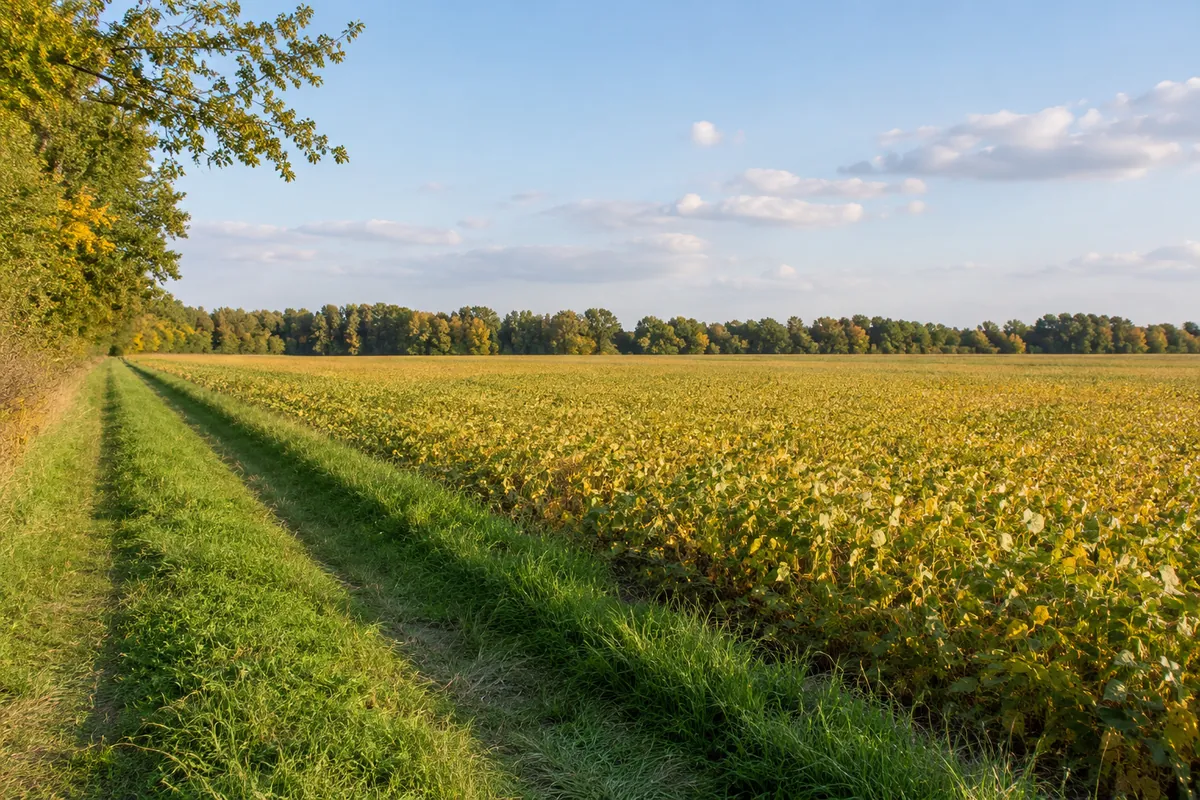
Find the land you plan to sell
Start with a tax bill or deed. Copy the land ID, acres and closest road into your notes. A land ID is the number used for one piece of land. List every piece if you’re selling more than one.
The Seneca County, Ohio Auditor lets you search by land ID, owner name or address. Its home page also links to advanced search and a map. Try the owner or land ID if an empty field has no street address.
The site provides tax appraisal and payment history. Save the record that matches your papers. If you need help finding it, call 419-447-0692. The office is at 109 South Washington Street, Suite 2206, in Tiffin.
Keep different kinds of prices in different lists
A tax appraisal, an asking price and a completed sale answer different questions. Write down the label and date with any number you save.
- Tax value: A county value used in the tax process. Ask the Auditor about a label you don’t understand.
- Asking price: What a seller hopes to receive. It may change before anyone buys.
- Completed sale: What a buyer paid for a checked deal. Find out what came with it.
The Auditor’s home page links to sales reports. If that page won’t open, call the office to ask how to get the record you need. A local land agent can also help find completed sales. Don’t fill a missing sale price with an advertised one.
Match a field with fields, and a lot with lots
Tell your agent whether you have farm ground, a small town lot, woods or a mix. Ask for recent sales with a similar location, size and use. Then look at the details that matter to that buyer.
For a field: Note the ground in use, the entrance, wet areas you know about and any current farm rental. An empty field is not the same as a farm sold with a house and barns.
For a small lot: Note the street, entrance and services you have checked. Power or water nearby does not mean it is already connected. Save any service papers or building approvals you have.
For mixed ground: Separate open space, woods and areas that are hard to reach. Ask which sold tract has a similar mix, rather than choosing only by total acres.
Use one row for each whole deal
A useful price list does not need dozens of entries. It needs a few checked sales and a clear reason each one fits. Save the following for each completed deal:
| Write down | Question to ask |
|---|---|
| Date and sale reference | Did the deal close? |
| Full price, all land IDs and acres | Was more than one tract included? |
| Ground, buildings and services | What did the buyer get? |
| Large differences | Why is this a fair match? |
Keep a deal together if it appears under several addresses. Don’t count the same sale several times. If its details cannot be checked, leave it out of the main support for your price.
Here is a made-up example. A 30-acre farm sold for $300,000, or $10,000 per acre. If a home and barn came with it, that is not a supported price for 30 empty acres. These are teaching numbers, not Seneca County sales.
Ask what supports the starting range
Bring your notes to a local land agent. Ask which deals are the best matches, what differences matter and how they support the suggested range. Ask how long similar land has taken to sell, rather than assuming your land will follow the same timeline.
If the land is unusual or you need a formal value, ask whether an appraisal would help. An appraisal is a professional opinion of value for a stated purpose. Ask what it covers and what it costs.
You can begin with missing details. Keep those questions visible so neither you nor a buyer treats a guess as a fact.
Compare the money you keep and the work involved
You can list with an agent, handle the sale yourself or compare a direct offer. Ask about the time, work and costs for each route.
Get the price, costs you pay, planned closing date and buyer’s right to cancel in writing. Check any loan or tax balance that could come out of your payment. Our offer comparison worksheet helps put the choices side by side.
The Ohio land seller guide covers general selling steps. If you’d like a direct Reelvest offer to compare, tell us about your land. You decide whether it works for you.
Questions About Seneca County Land Value
What if my land has no street address?
Try the Seneca County Auditor’s owner or land ID search. A tax bill or deed can help you find the right piece. Don’t invent an address for an empty field.
Is an advertised price a completed sale?
No. Keep asking prices in a separate list. For a completed sale, check the date, full price and what land or buildings the buyer got.
Can I compare a small lot with a large farm?
Choose deals with a similar size, location and use. Small lots and farms can have different services, costs and buyers. A per-acre number alone does not make them equal.
What should I ask about a suggested price?
Ask which completed deals support it and why those are good matches. Ask about large differences and missing facts before relying on the range.
Local source links reviewed October 6, 2026.