
Look for completed sales of land like yours. Check the size, road access, slopes and what was included. A price per acre is a starting point, not the whole answer. A wooded hillside and an open roadside tract may need different comparisons.
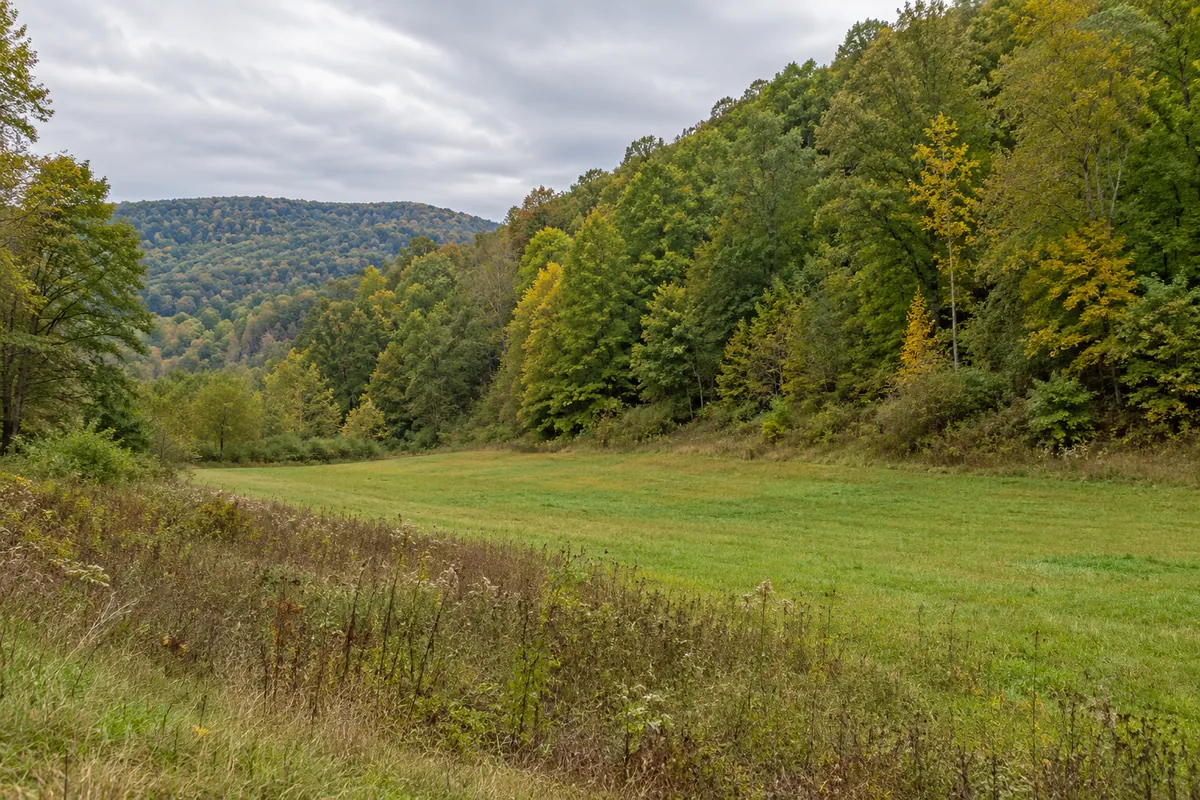
Start with the right piece of land
Find a recent tax bill and write down the parcel number and acres. The parcel number is the county's number for that piece of land. Keep the deed and any survey you have. Check whether your sale includes one tract or several.
The Meigs County Auditor links to an Advanced Property Search with a Map Number search. Call 740-992-2698 if you need help finding the property record. Save the number shown on the record rather than guessing from a road name.
A map can help locate the tract. It doesn't settle a boundary or road-right question. If a record differs from your papers, ask about the difference before using it to compare prices.
Choose sales that look like your ground
Start nearby, then look past the acre count. Ask an agent to explain why each completed sale fits your land.
- Size: Compare tracts near your acreage. A small roadside lot may sell for more per acre than a large wooded tract.
- Slopes: Compare how much ground is open, steep or easy to reach. Two equal-sized tracts can feel very different on a visit.
- Access: Check how each tract is reached. A shared lane is different from a direct entrance. Keep any road agreement you have.
- Features: Note woods, water, fences and buildings. Don't treat a house sale as an empty-land sale.
- Use: Share known farm, hunting or timber agreements. Don't assume a buyer gets rights you haven't checked.
Describe what you know without guessing a timber price or promising a building site. If trees are a large part of the price discussion, ask a qualified forestry professional for help.
Keep one line for each sale
For each useful match, write down the sale date, price, acres, parcel number and source. Add a short note about the entrance, slope and any buildings. Save a deed reference when available.
Check that the sale was completed. A listing price tells you what an owner asked for, not what a buyer paid. The same sale may appear on several websites; count it once. If several parcels sold together, check the total land included.
Made-up example: a $120,000 land-only sale for 30 acres equals $4,000 per acre. This is only division, not a Meigs County price estimate. If that sale had easy access and mostly open ground, it may be a weak match for a steep wooded tract.
Keep the strongest matches and ask what range they support. You don't need a long list of unrelated sales.
Use the tax record for facts, not as an offer
Check the tax record for acres and buildings, then compare it with the papers you have. The tax figure is not a buyer's offer. A buyer may see different costs or uses.
If an agent suggests a price, ask which completed sales support it. If a buyer gives an offer, ask which land details shaped it. Avoid choosing one number just because it appeared in an old county table.
Gather useful details before paying for work
Take photos of the entrance, open areas and woods. Write a short description, such as: “There is a gravel lane to the front. The ground rises behind the clearing.” Share papers about access, loans, farm use or other agreements.
You can start a price discussion with the land as it is. Before clearing trees or making a new entrance, compare the cost with the likely benefit. Ask buyers what they need. Keep an old survey; you don't have to order a new one just to begin.
Compare the offer and the money you keep
An agent can market the land and help compare offers. Ask about fees and experience with land like yours. Selling yourself means handling the listing and calls. A direct buyer gives you another choice.
Compare the price, who pays costs and what the buyer needs to check. Ask whether a loan is needed, when closing could happen and what might change the offer. Request an estimate of the money you keep after agreed costs and amounts still owed.
If you're handling inherited land or helping settle a loved one's estate, gather the papers you have. Ask who needs to sign before promising a firm date.
For a direct offer to compare, tell Reelvest about your Meigs County land. You decide whether it fits. Our land value guide explains more ways to compare a price.
Questions About Meigs County Land Value
Can I multiply my acres by a county average?
That can miss important differences. Compare completed sales with similar size, slopes, road access and features instead.
Where can I find the Meigs property record?
Start with the Auditor page and its Advanced Property Search. Call the office if you need help with the parcel or Map Number.
Does wooded land have a set timber value?
No. Trees alone do not tell you a timber price. Ask a qualified forestry professional if timber is central to your price discussion.
Do I need to clear the land first?
You can begin with the land as it is. Ask about the likely benefit and cost before paying for work.
Local source links reviewed October 5, 2026.