
Ask a local land agent for recent completed sales that fit your land and a price range based on those matches. A small lot near homes and a larger field can meet different needs. Compare the entrance, useful ground, services and what came with each sale. Make sure every record is for Erie County in Ohio before relying on it.
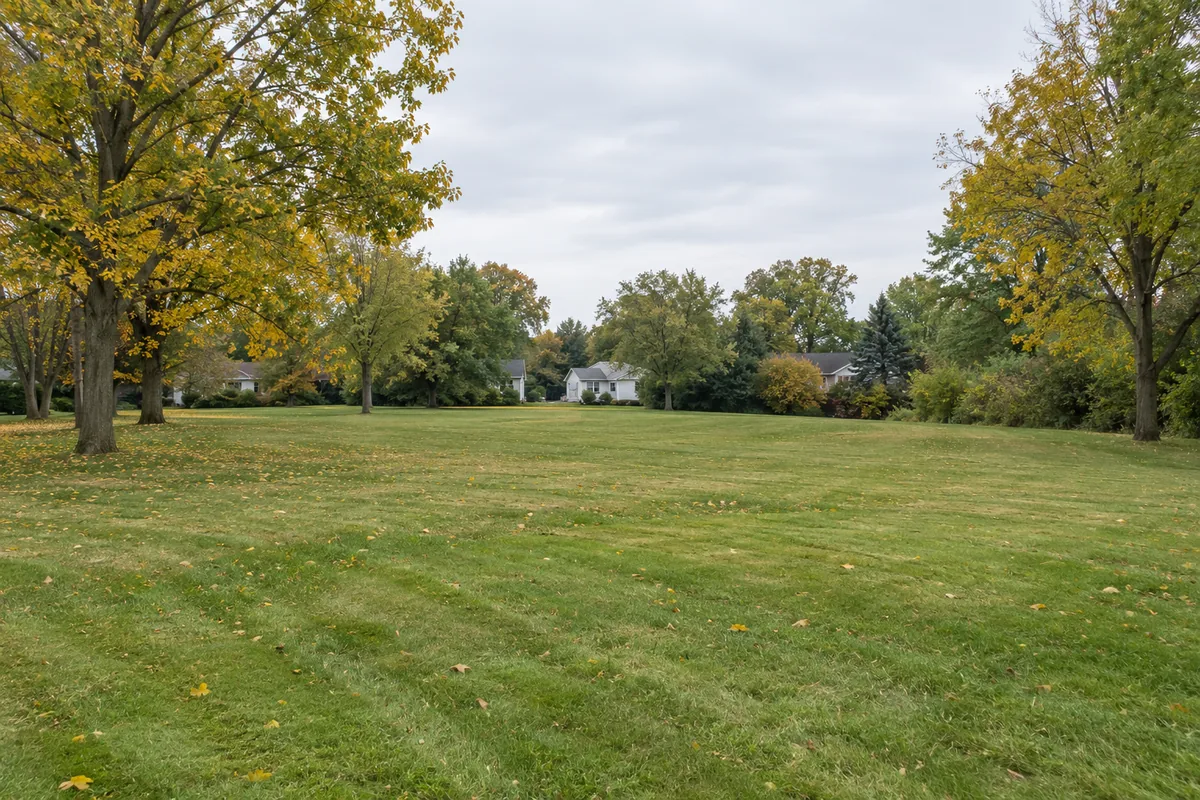
Gather the details for the land you want to sell
Find a recent tax bill, deed and any survey you have. Write down the land ID, acres if known and nearest road. A land ID is the number used to identify the property. If you own several pieces, list which ones you want to sell and whether they must sell together.
Take photos of the entrance and main areas. Note open ground, trees, slopes and wet spots. Say whether a house, shed or other items are included. Keep any current farm or rental agreement with your papers.
Explain how you reach the land now. If the route crosses someone else’s property, share any written lane agreement. Say whether water or power is connected or only nearby. Keep unknown details on a short question list. You can start asking about price while gathering the answers.
Use Erie County Ohio’s deed resources
A deed records a transfer of land. Start with the Erie County Ohio Recorder, rather than a records page for another state. It lists 419-627-7686 and 247 Columbus Avenue, Suite 225, in Sandusky.
The Recorder’s FAQ explains how to view, print or download available online document images for free. If you can’t find the paper, the page gives office, mail and email copy-request choices. Ask which copy you need and the current total cost. Have any deed book and page number handy.
Don’t take a missing online result as proof that no older paper exists. The county says older documents are still being added. It also says the office can help you get started, but does not perform a full ownership, lien or lane-right history search. Ask your closing team what still needs checking.
If you’re handling inherited land or helping settle a loved one’s estate, gather what you have. Ask which records and signatures the closing team needs before choosing a firm sale date. Missing papers don’t have to stop the first price conversation.
Compare the setting, not just the acres
Ask the agent to explain two or three completed sales that a buyer might compare with yours. A county-wide figure mixes land that may serve very different needs. Work through these questions:
- A lot near homes: are the size, street setting and checked services similar? Did the buyer get a working connection or only a line nearby?
- A field or larger tract: how much ground meets the same need? Compare the entrance, open areas, woods and slopes.
- Land near water: did the sale include land at the water’s edge, a view or a checked right to use the shore? Being nearby is not the same as including those features.
- A deal with buildings: did a house, barn or other items come with the price?
Describe the features you know about. Share any papers behind a claimed use or right rather than promising something that has not been checked. A neighboring home does not settle whether a buyer can build on your land.
You don’t need to clear trees, improve a lane or plan a home site to begin asking about value. Before paying for work, ask an agent whether it is likely to add enough value to cover the cost.
Check the exact property behind the sale
A listing price is what a seller asks. A completed sale price is what was paid. Keep them separate. Ask how the final price was checked and keep these notes with each useful comparison:
| Write this down | Question it answers |
|---|---|
| Final price and completed date | Was it a sale or just an asking price? |
| State, land IDs and deed reference | Which exact property was included? |
| Acres, entrance and ground | Why would a buyer compare it with mine? |
| Buildings or extra pieces | What else did the price buy? |
Use one row for the whole deal. If several pieces sold together, don’t count the full price again for each piece. A road or town name alone does not prove two rows were separate sales.
Here is a made-up example. A quarter-acre lot sells for $30,000, which works out to $120,000 per acre. That does not mean a ten-acre field would bring $120,000 per acre. The properties meet different needs. These are teaching numbers, not Erie County sales or a value estimate for your land.
Ask for the reasons behind the price range
Have the agent explain the closest match and what puts your land near the low or high end of the range. Ask which unknown details could change the price. Keep access, services or other open questions with your notes.
A tax value can be useful background. It is not a buyer’s offer. A high listing price is not proof of what another seller received. If good completed matches are scarce, keep that uncertainty in the range rather than forcing one exact number.
For unusual land or a formal value, ask about an appraisal. That is a professional opinion of value for a stated purpose. Check the fee before ordering one. Our land value guide covers the general steps.
Compare what you keep and what the buyer still must do
You can list with an agent, find a buyer yourself or compare a direct offer. Think about the time, work and seller costs of each choice. Get the price, closing date, costs and buyer’s right to cancel in writing.
Tell the closing team about any loan or unpaid tax balance. Ask what comes out of your sale money and what you would receive. A higher price may not leave more money if its costs are higher or its terms don’t fit your plans.
Use our offer comparison worksheet to compare real terms. The Ohio land seller guide covers the selling process. If you’d like a direct Reelvest offer to compare, tell us about your land. You decide whether it works for you.
Questions About Erie County Land Value
Where should I look for an Erie County Ohio deed?
Start with the Erie County Ohio Recorder’s official site. Its FAQ explains available online images and copy-request choices. The office lists 419-627-7686 and 247 Columbus Avenue, Suite 225, Sandusky. Check that the records page is for Ohio.
What if I can’t find an older document online?
Ask the Recorder about finding a copy. The county says older documents are still being added. A missing online result does not prove that no recorded paper exists.
Will the Recorder check the whole ownership or lien history?
Its FAQ says it can help you get started but does not perform a full history search. Ask your closing team what needs checking before relying on a document or choosing a firm sale date.
Can I use a small lot’s price per acre to price a large field?
Not just by multiplying. The properties may serve different needs. Compare useful ground, entrance, setting, checked services and what came with similar completed sales.
Local source links reviewed October 6, 2026.