
To price your Athens County, Ohio land, start with recent sales of similar land. Compare the acres, way in, ground and included buildings. The county’s sale search can help you find examples. Its preliminary 2026 tax value is a different number from a buyer’s offer.
Start With the Piece You Want to Sell
Find a tax bill, deed or old survey. Write down the parcel number, acres if known and nearest road. A parcel number is the county’s number for a piece of land. List every piece you want to include, and mark any piece you want to keep.
Make a short note about what comes with the sale. Is there a house, cabin, shed or other building? Is someone renting or using the land? Keep any lease or shared-road agreement with your papers.
You can start without every answer. Mark what you know and what is missing. Use that list when you ask a local land agent or appraiser about a price.
Find Your Land and Keep the Value Year With It
The Athens County Auditor’s search has a Basic tab for owner name, parcel number and location address. Start with the number on your papers if empty land has no street address. The owner’s mailing address may be somewhere else.
The Auditor’s current notice says online values are preliminary values for tax year 2026. It says those values will first appear on bills payable in 2027 after final approval. They are not a current offer or proof of what the land would sell for.
The notice says the site cannot show historical values beside the new preliminary value. It points to your second-half 2025 tax bill to compare the earlier value. Keep each number with its year rather than treating a change as an increase in sale price.
Check the acres and buildings in the record. Call the Real Estate Division at 740-592-3223 about details that do not match. An unpaid balance is a separate question from the listed property value.
Use Advanced Search to Find Sales to Check
Open the Advanced tab on the Auditor’s search. It has sale-date and sale-price ranges, City / Township, Land Property Class and acreage ranges. Start with a recent date range and the part of the county that fits your land. Add a similar acreage range to keep very different tracts apart.
Land Property Class is the county’s category for the land. It can help narrow a search, but it does not prove what a buyer can build or do there. The search also has a Valid Sale choice. Ask the Auditor what a label means before relying on it.
Check each possible match. Does the price include a house, several pieces or other items? Does the land have a similar entrance and kind of ground? A search result is a starting point, not a checked land-only price.
Keep these numbers separate: an asking price is what a seller wants; a completed sale price is what a buyer paid for that deal; a tax value is used in tax records. A price cut on a listing does not prove a completed sale.
Ask a local land agent or appraiser for help if the search gives too few useful examples. Request the full price, date, acres, source and included items. Keep uncertain examples separate rather than making a county average from mixed records.
Find the Paper Behind a Sale
The Athens County Recorder’s page links to AvaWeb for online land records. The county says documents can be viewed and printed there at no cost. Start from the county page for its current link.
The office keeps real property records and name indexes from 1790 onward. That does not mean every old paper appears in one online search. Ask the office for help finding an older or missing record.
Call 740-592-3228 with the names and any recorded document details you have. Ask which paper or copy you need, its cost and how to request it. The office is at 15 South Court Street, Room 236, in Athens. Staff can offer help but do not perform searches for you.
Match all the land in a deal to the recorded paper. One deed can cover several pieces. Keep the full price with those pieces, and count the deal once. Ask the professional handling closing about ownership, loans and signatures; a deed copy is not a complete check of those questions.
Compare the Ground a Buyer Would Receive
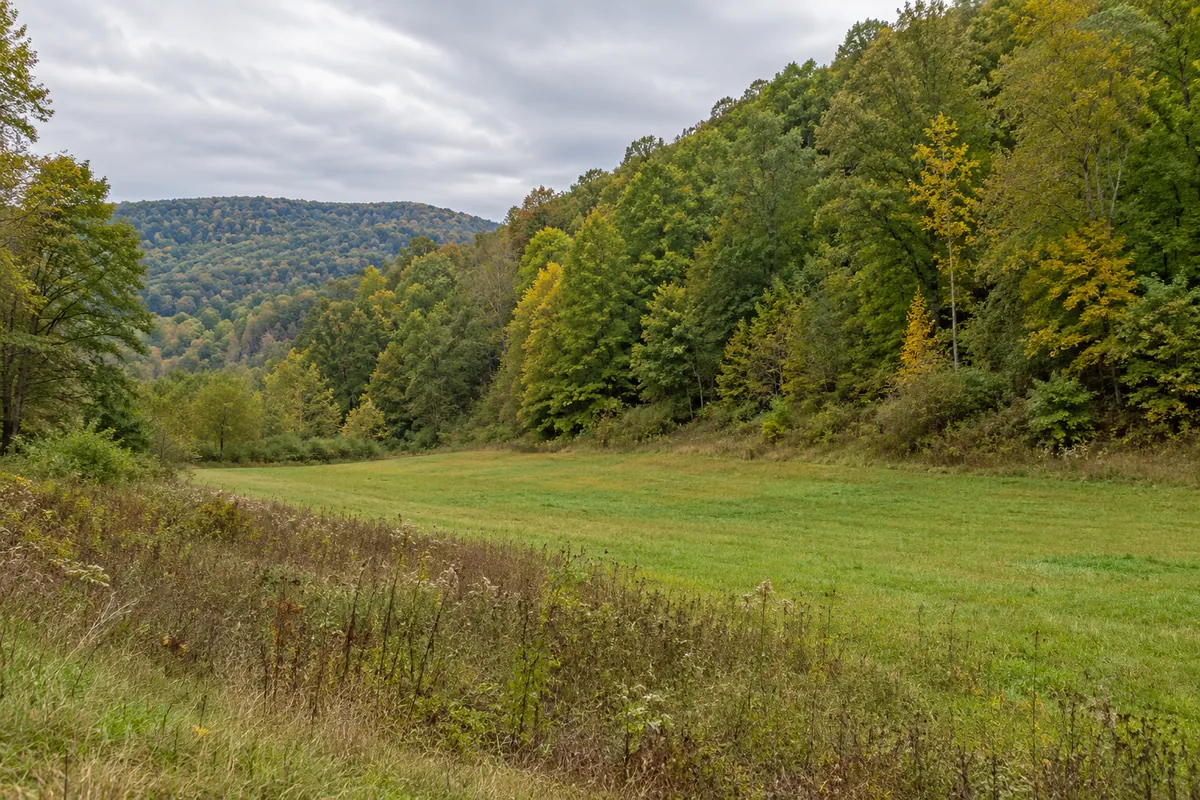
For wooded acreage, look at more than total acres. Compare the road or entrance, slopes, open spots and known wet ground. An easy-to-reach tract can be a poor match for one reached only across someone else’s land.
- Way in: Keep the road name and any written right to cross another property.
- Ground: Note the parts you know are wooded, open, steep or wet.
- Buildings: Separate empty land from a deal with a cabin, house or shed.
- Current use: Keep any lease, timber agreement or other use papers.
If a buyer is interested in woods, do not assume every tree can be sold or has the same value. Share a timber estimate or cutting agreement if you already have one. Ask what an offer includes before comparing it with a sale of empty ground.
For a smaller lot, choose similar lots and street settings. Check any claimed water, sewer or electric connection. A line nearby is different from a connection on the lot. A large wooded tract’s per-acre price may not explain what a buyer would pay for a whole home lot.
For ground near water, compare what the sale included: actual water frontage, a shared way to water or just a view. Note wet spots and the way in. Do not treat a nearby house or cabin as proof the same plan will work on your land.
A map helps explain the general location. It does not settle an uncertain boundary or a right to cross another property. Keep a survey or written access agreement if you have one. Ask about a check when it affects the price or sale.
Take recent photos if you can safely visit. Show the entrance and ground farther in. Arrange visits with anyone using or renting the land. You do not need to plan a buyer’s home to start price research; just be clear about what you know and what needs checking.
Make a Short Sheet for Each Good Match
Save the source link, parcel numbers, recorded document details, date, acres, full price and included buildings. Write one sentence about how the land differs from yours.
Count one deal once, even if it appears on several websites or under different listing names. A new listing date or price change does not mean it sold again. Several parcel numbers in one deed do not always mean separate sales.
Here’s a made-up price-per-acre example:
- 20 empty acres sold for $80,000: $4,000 per acre.
- 40 empty acres sold for $120,000: $3,000 per acre.
- 5 acres with a cabin sold for $90,000: the $18,000 per acre includes the cabin.
These are not Athens County sales or an estimate for your land. They show why the items in the deal matter. Do not multiply the highest per-acre price by your acres and stop there.
Use the closest matches to discuss a range. If there are too few good sales, say so and ask for help. Our land value guide explains other price factors.
Compare the Money You Would Keep
Once you have a useful range, choose how to sell. An agent can help price and market the land. Selling yourself means handling the ad, questions and offers. A direct buyer gives you an offer to compare. Think about the work, time and costs of each choice.
Ask for the price and terms in writing. Check who pays closing costs, any agent fee, the target date and what lets the buyer cancel or ask for a lower price. Have the person handling closing estimate what you would receive after costs, loans and unpaid taxes.
A tax value is not the amount you owe. Compare the money you keep, rather than the headline offer. Our land offer worksheet can help you put written offers side by side.
If you’re handling inherited land or helping settle a loved one’s estate, gather the papers you have. Ask who needs to sign and what is missing. You can research prices while those questions are being answered. Keep private family and loan papers out of a public listing.
If you want a direct offer to compare, tell Reelvest about your land. Start with what you know. You decide whether an offer fits. For general selling steps, read our Ohio land seller guide.
Questions About Athens County Land Value
What is the average land price in Athens County?
Compare checked sales of land like yours. We do not give a current county average because the land and deeds behind the old figures have not been verified. Acres, ground, access and buildings affect which examples fit.
Where can I search for recent sale information?
Use the Advanced tab on the Athens County Auditor’s search. It has sale-date and price ranges, City / Township, Land Property Class and acreage ranges. Check what each possible sale included before using its price.
Is the new 2026 county value my land’s sale price?
No. The Auditor calls it a preliminary tax value. A buyer’s offer and a completed sale price are different numbers. Keep the year with the tax value and compare checked recent sales.
How do I compare the new value with my earlier value?
The Auditor’s current notice points to your second-half 2025 tax bill because the website cannot show historical values beside the preliminary 2026 value. Keep each value with its year.
Where can I find a missing deed?
Start with the Athens County Recorder’s page and its AvaWeb link. For help with an older or missing record, call 740-592-3228 with names and any document details. Staff offer help but do not perform searches for you.
Does a wooded tract sell for the same price per acre as a home lot?
Not necessarily. The buyers, size, entrance and uses may differ. Choose sales with similar features, and separate deals that included buildings or other items.
What if my land has no street address?
Start with the parcel number from a tax bill or deed. Keep the nearest road and a map with your notes. Do not guess an address for empty land.
Can I begin while papers or signatures are still being checked?
Yes. Start with the location, acres if known and papers you have. Mark what is missing. You can research prices while getting help with ownership and signing questions.
Local source links reviewed October 7, 2026.