
Start with recent completed sales that buyers would compare with your land. Match the location, size, road, usable space and services. A county average or asking price alone won’t give you a useful answer. County records can help identify the land; you still need to check the sale price and what came with each deal.
Write down what a buyer is getting
Find a tax bill, old deed or map pin. Note the land ID, nearby road and size if known. The land ID is the county’s number for the property. Empty land may not have a street address.
List the pieces you plan to sell. Does the price cover one lot or several together? Note any house, shed or other items included. Keep those details with each comparison so you don’t mix land-only prices with bigger deals.
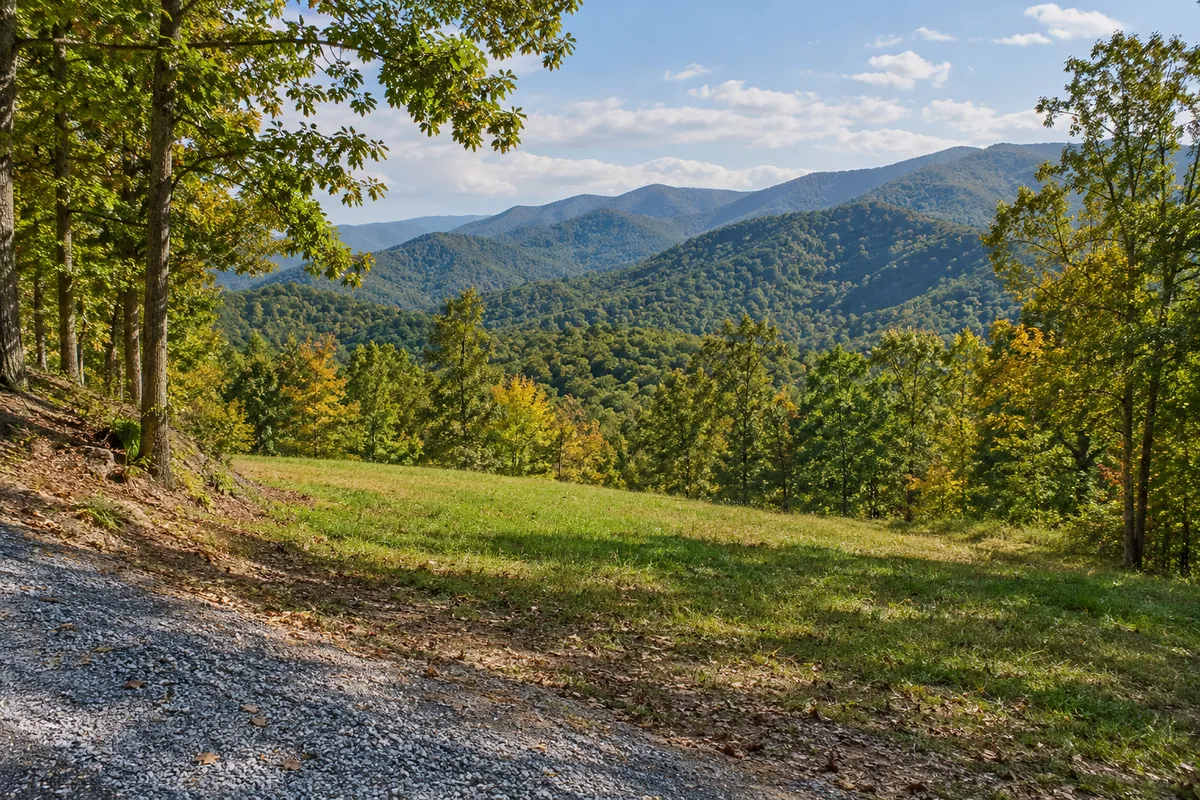
Take photos of the entrance, main areas and any buildings, if you can safely. Note woods, slopes, open areas and wet ground you know about. A buyer may see two tracts with the same acres very differently.
Use Mitchell County records to check the details
The Tax Assessor’s page links to online property records. For questions, call 828-688-2139, extension 1407. The office is at 26 Crimson Laurel Circle, Suite 5, Bakersville, NC 28705.
Keep the property record with your deed and tax bill. A tax value serves a tax purpose; it is not a buyer’s offer. Ask a land agent what recent sales support a price for your particular ground.
The Mapping/Land Records page links to the county map. For parcel and map questions, it lists the same phone number, extension 1629, and Suite 5. A parcel is a piece of land tracked as a property record.
For a missing deed, the Register of Deeds page links to Search Deeds. It lists extension 1402 at 828-688-2139 and 26 Crimson Laurel Circle, Suite 4, in Bakersville.
Have the recorded name and any document number or book and page reference ready. Ask how to get the copy you need and what it costs. A deed records a transfer of land. Finding a copy does not settle every ownership or debt question; the closing team still needs to check those.
Choose sales that buyers would compare with yours
Ask a local land agent for recent completed sales and why each is a useful match. An asking price is what a seller hopes to get. A completed sale price is what was paid. Keep them separate.
- Road: compare the entrance and how people reach the land. Share any written agreement to cross someone else’s ground.
- Size and layout: compare the acres and how much space a buyer can use for its plans.
- Ground: compare slopes, open areas, woods and wet spots. Total acres alone don’t tell that story.
- Services: compare water and power that are connected. Nearby service is different from a connection.
- What comes with it: check for a house, buildings or several pieces sold together.
- Date: ask whether the sale is recent enough to help explain today’s asking range.
Ask to see the details behind each comparison. If one fact is unknown, write that down. A poor match with a precise price can be less useful than a good match with a clear open question.
Look beyond the number of acres
For wooded or sloped ground, ask what makes a match useful. Two ten-acre tracts may have very different entrances, open space and service costs. Don’t price them alike just because the acre counts match.
Show the photos and papers you have. If you know about an old road problem, storm damage or a repair, keep notes and any bills. Ask the agent how those details affect which sales it chooses. Don’t assume old photos still show the land as it is today.
Keep any survey, road agreement, rental papers or rules that came with the land handy. A survey is a measured drawing of the land. Share what you know and say when you don’t have an answer.
Don’t promise a home site or a future lot split just because nearby ground has one. Let buyers check their plans. Before paying for clearing or a new driveway, ask whether the likely price gain would cover the cost.
Check the whole deal before dividing by acres
Start with the total price and everything it covered. Was there a home? Were several lots sold as one deal? Did a number come from an ad rather than a final sale?
Here is a made-up example: a $120,000 land-only sale covers a ten-acre piece and a twenty-acre piece together. The whole deal covers thirty acres, so $120,000 divided by thirty is $4,000 per acre. Giving each piece the whole price would count the same money twice.
The example explains the math, not a local transaction or value for your land. Price per acre can help after the sale details are checked. It cannot make very different properties equal.
For each possible match, write down the date, source, land ID, total acres, whole price and anything included. Ask which papers support the final price and whether two entries refer to the same deal. Keep a reason for using or leaving out each match.
Ask for a range you can explain
Ask the agent what supports the low and high ends of its range. Which sales fit best? Which fact about your land could change the answer? A range should explain what is known and what still needs checking.
If good matches are scarce, don’t fill the gap with an old county average. Ask what other evidence could help. It may take more work to choose a price for unusual land.
Keep the price question separate from how soon you want to sell and how much work you want to handle. You can use an agent, sell it yourself or compare a direct offer. Our Mitchell County seller page explains the selling steps, and our land-value guide covers the wider price question.
Compare the money you keep
An offer price is not always the amount you receive. Ask which costs you pay and how any loan or unpaid taxes would be handled. Get an estimate of the money you keep before signing.
Compare the target date, buyer checks and any right to cancel. Use our offer worksheet to put real terms side by side. A higher price may leave less money after costs or require more time and work.
If you’d like a Reelvest offer to compare, tell us about your land. You decide whether it works for you. You can ask questions and compare other ways to sell.
Questions About Mitchell County Land Value
Can I use the old Mitchell County listing average to price my land?
Use recent, similar completed sales instead. Old listing rows do not prove final prices or separate sales. Check the land, date, whole deal and what was included before using a comparison.
Where can I find Mitchell County property details?
The Tax Assessor’s page links to online property records. Call 828-688-2139, extension 1407, with property questions. Mapping/Land Records links to the county map and lists extension 1629 for map and parcel questions.
What if my comparison included more than one lot?
Check the total acres and whole price of the deal. Don’t give each lot the whole price. Note any home or buildings included before deciding whether it is a useful land-only match.
Why can two properties with the same acres have different prices?
Roads, slopes, usable space, services and what comes with the sale can differ. Ask why a buyer would compare the two. Matching the acre count alone is not enough.
Local source links reviewed October 6, 2026.