
Your Pulaski County land is worth what a buyer will pay for its particular location, size, access and usable ground. Start with recent completed sales of similar land, then compare the terms of any offer. A tax assessment or an old asking price is not a reliable offer or appraisal.
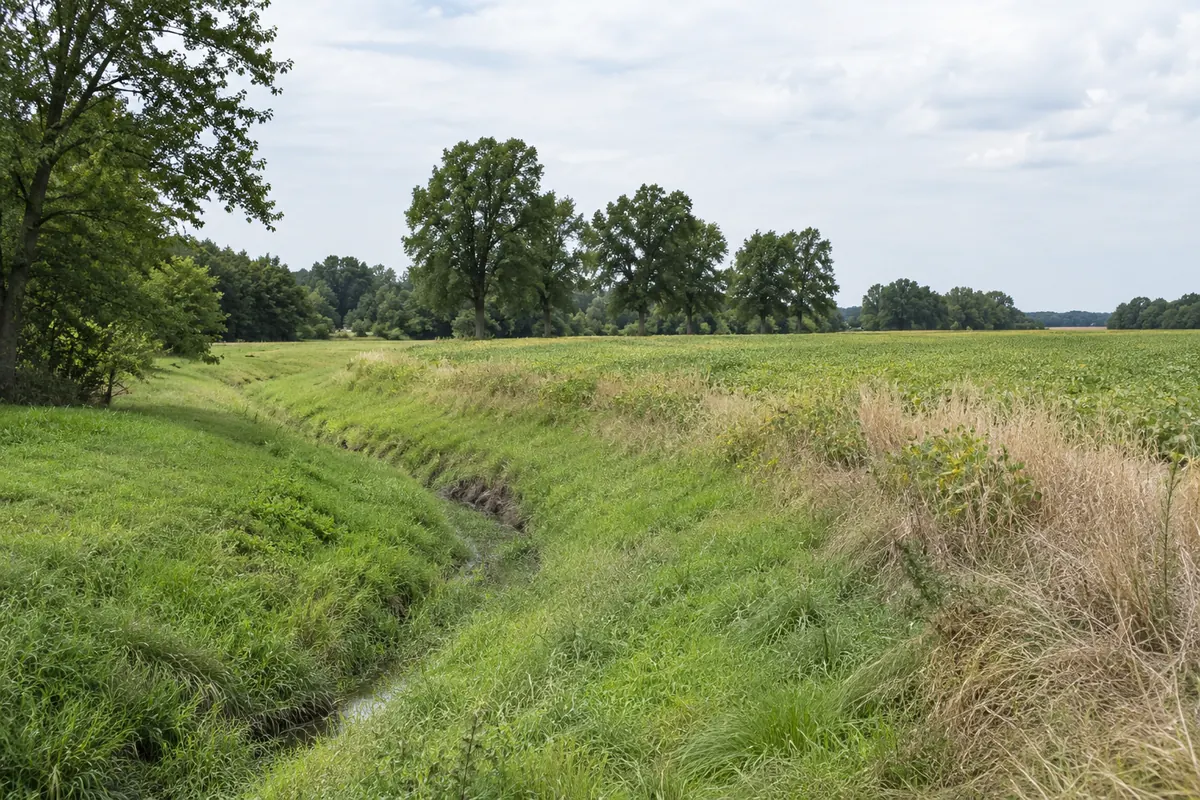
Find the land on your records
A recent tax bill or deed can give you a parcel number and acreage. The Pulaski County government site links to its GIS map and property tax information; the Assessor's Office maintains property assessment records. Compare the map and description with your papers, especially if you own more than one parcel. A map is a starting point, not a survey or proof of ownership.
Find sales you can compare
Indiana's sales disclosure search lets you filter by county, dates, price and property class. Start with recent vacant-land sales of a similar size and location. For each one, write down the parcel, date, price and acres; check whether the sale included buildings or more than one parcel. The search requires a CAPTCHA, and a result still needs verification.
Compare access, farm leases, drainage and the mix of open ground and woods when they apply. A small roadside lot may not be a good match for a large farm tract. A family transfer or foreclosure may not reflect an ordinary sale. Ask a local land agent or appraiser for help if the details are hard to verify; do not turn a guessed adjustment into a promised price.
The older listing snapshot on this page was not checked against unique properties and completed transfers. Its asking prices and counts could not establish a dependable value for your land.
Gather papers that affect the sale
The Pulaski County Recorder keeps recorded deeds and leases and links to an electronic document service. Ask the office about access and current charges. If someone farms the land, find any lease and note its term and who receives rent. If a road crosses another owner's land, share any written access agreement with a title professional. If you are handling inherited land, begin with the papers you have and ask who needs to sign.
Check a proposed use before promising it
If an offer depends on building or dividing the land, ask the Pulaski County Building, Planning and Zoning office or the applicable town about the parcel and intended use. The county's development ordinance describes its coverage and exceptions around Francesville and Winamac. A tax classification or map alone does not guarantee a use is allowed.
Use the FEMA Flood Map Service Center to identify questions, then ask the local floodplain office. A map alone does not prove whether land has flooded or what insurance will cost.
Compare the money you keep
Ask each buyer for the price, seller costs, conditions and expected closing date in writing. As an example, a $100,000 offer with $5,000 in seller costs leaves $95,000 before loan or tax balances. Your terms will differ. Compare a direct offer with listing through an agent or finding a buyer yourself, including the work and costs of each route.
If you want Reelvest to review the land, share what you know. You can start without every document and decide later whether an offer suits you.
Common questions
Is the assessed value my selling price?
Not necessarily. It is a tax record, while a sale price depends on the property, buyer and terms. Compare verified sales or ask an appraiser for an opinion.
Can I compare a sale with a house to vacant land?
Keep it separate unless you can establish what the land itself sold for. Do not subtract a guessed building value and call the result a confirmed land sale.
What if I don't have a street address?
Start with the parcel number, a map pin or a nearby road. Check that the record describes the land you intend to sell.