
To sell Jenkins County land, gather the parcel number, deed and map, then compare similar sales and buyer choices. If a county website button does not reach a search, use the state’s county-record directory or ask the tax office instead of assuming your record is missing.
Tell us about your land. There’s no obligation to accept an offer.
Start with what you know. These steps will help you get ready and choose the way to sell that fits you.
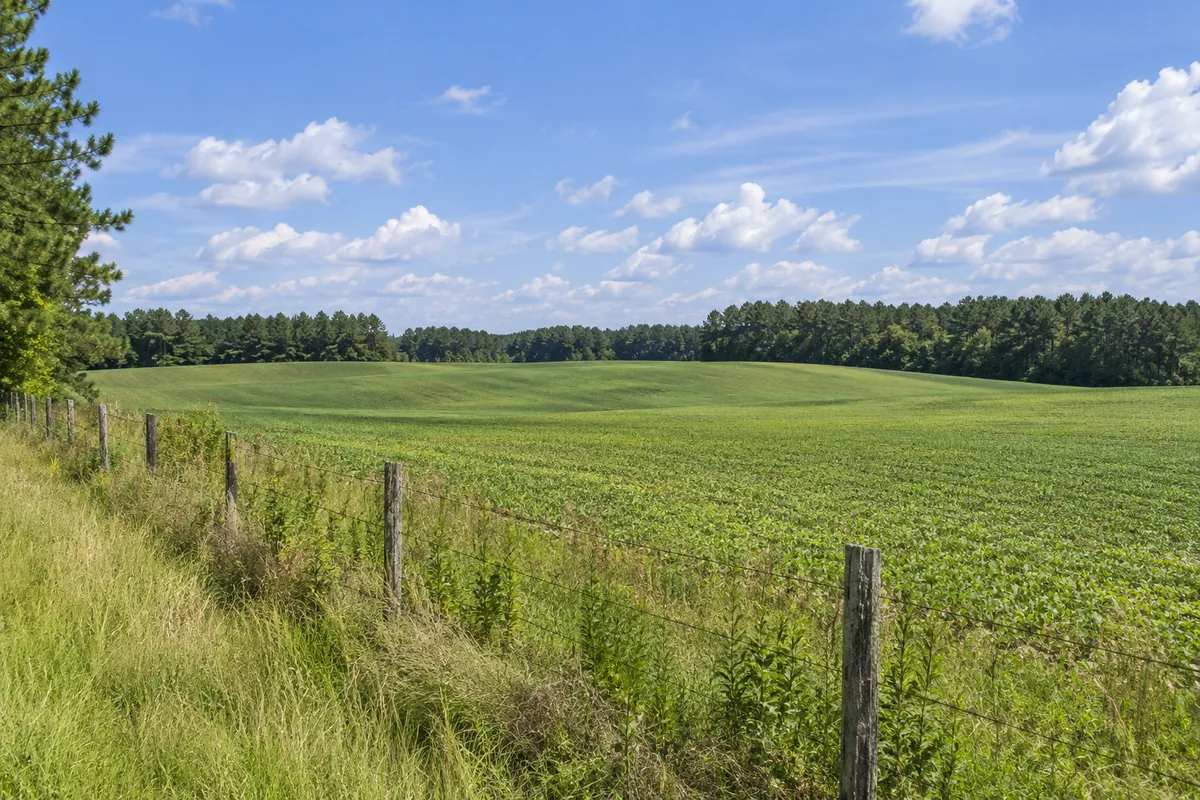
Keep a recent tax bill, deed and owner names together. Note the parcel number and acres shown in your papers. For several tracts, mark which ones you want included in an offer. Add a location map and directions from a public road.
You can begin with the records you have. If an acreage, name or other detail differs, save both versions and ask about the mismatch. Avoid quietly choosing the number that looks best in a listing.
Georgia’s Property Records Online directory lists Jenkins’s parcel-search route. It also advises contacting the county Board of Tax Assessors or Tax Commissioner if a listed website cannot be reached.
Start with the parcel number and papers you already have. A broken link or blank page is a website issue, not proof that the tract has no record. Keep the page or error you saw so you can explain the problem when asking for help.
Write the parcel number, owner names and known acres on one page. Add a map and directions from a public road if there is no clear address. For several tracts, list which ones you want included in an offer.
When you obtain a record, save its date and compare it with your deed and tax bill. Ask about a mismatch rather than guessing. Tell the closing team which full deed, survey or other paper you are still finding and ask which next copy or search would help.
Write directions, note gates or shared drives, and confirm who can approve a visit. Share written road agreements you have. Explain a route that still needs review before a buyer relies on it.
List known water sources, sewer or septic, power service and buildings. Keep dated permits, reports and leases. Say what is unknown. Ask the right planning office before promising a future house, land split or other use. Use recent photos of the tract you are selling.
Look for confirmed sales with similar access, usable ground, services and known limits. Save each sale date and the main differences. A nearby lot with services can be a weak match for raw acreage.
Keep asking prices and tax values separate from completed sales. Ask a land agent or appraiser for a range when useful matches are scarce. Our Georgia seller guide has more preparation help.
An agent can help with pricing, ads, visits and offers. Ask about land experience, fees and the listing term. Selling yourself means handling those tasks. A direct buyer gives you another option.
Compare price, seller costs, deposit, review period and target closing date. Ask what lets the buyer cancel or seek a change. Reelvest can review your land for a direct offer if you want one to compare.
Ask the closing team to estimate what you would keep after costs, taxes and loan payoffs. Check which amounts may change. Raise other owners, old loans and name changes early.
If you are handling inherited land or helping settle a loved one’s estate, ask who needs to sign. Share the papers you have and ask which copies or searches are needed next. Our document checklist can help you track the work.
The Georgia Department of Revenue property-record directory lists the county route. It advises contacting the county tax office when a listed website cannot be reached.
No. Keep the page or error and use your parcel number and papers to ask about the record. A website failure does not answer the land question.
Yes. Share the location, parcel number and available papers. Explain what you are still finding and ask for the next useful step.
Save its date and compare the parcel number, names and location with your deed and tax bill. Keep both versions if a detail differs.
Local source links reviewed October 27, 2026.