
To sell Brooks County land, first list the parcels. Gather useful records and compare ways to reach buyers. Keep any special tax agreement with the deed. Ask the Assessor what should be checked before the sale.
Tell us about your land. There’s no obligation to accept an offer.
Start with what you know. These steps will help you get ready and choose the way to sell that fits you.
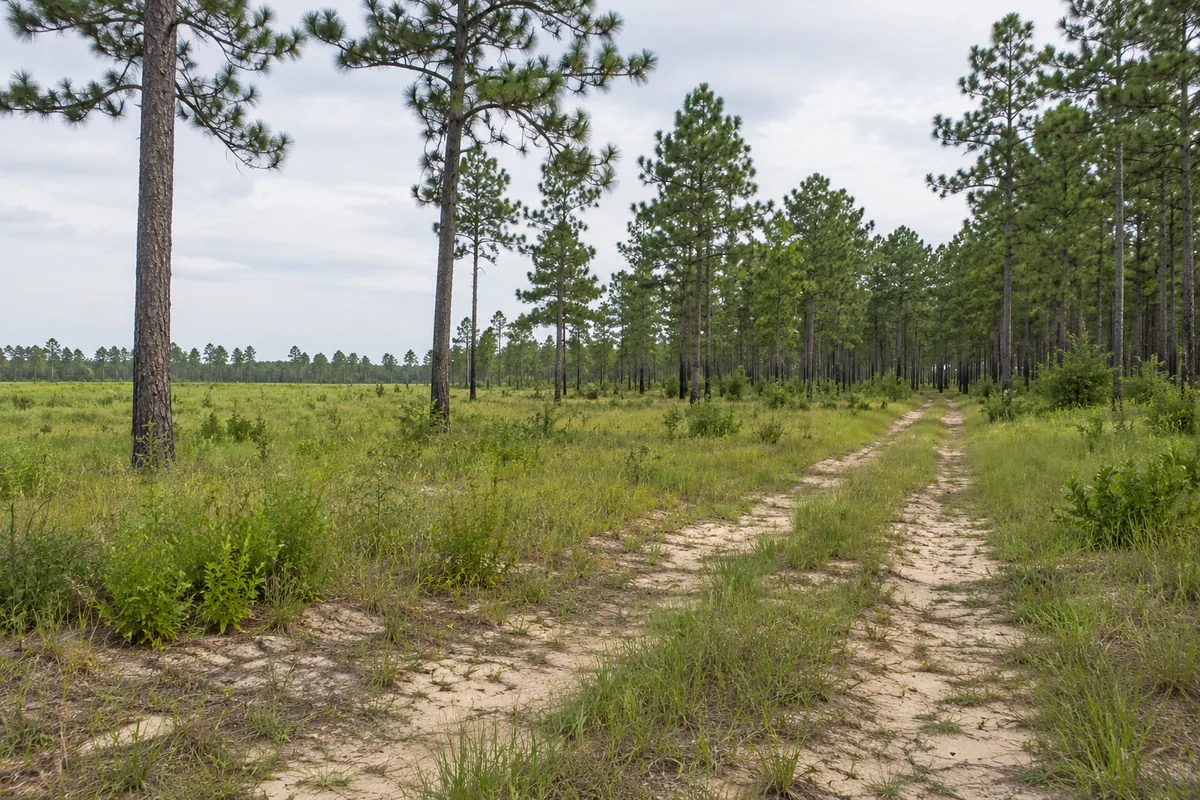
Find a recent tax bill, deed and map. Write down parcel numbers, owner names and the acres shown in your papers. List several tracts separately and mark which ones you want to sell.
Keep any farm, grazing, hunting or timber agreement with the file. Tell a buyer what is included and what someone else may still use. You can begin sale talks while records are missing; identify the gap instead of guessing an answer.
The Brooks County Taxes page says the Board of Tax Assessors maintains property records and handles agricultural covenants. A covenant is a written agreement that may affect the land. If your file includes one, keep the full paper and its date.
Ask the Assessor and closing team what the planned sale means for that specific agreement. Do not assume a tax treatment will stay the same or end without a cost. This is a question to check with the actual papers, not a reason to delay the first conversation with a buyer.
The county Taxes page lists the Assessor and Tax Commissioner separately. Use the Assessor contact for a property record or value detail. For a bill or payment question, use the Tax Commissioner contact and keep the notice or receipt you are asking about.
Compare parcel details with your deed and map. If names or acres differ, share both records with the closing team. Keep current tax information requested for closing separate from an old tax value used in a price discussion.
Explain access, gates and who can approve a visit. Share written road or service records you have. Add current photos and say what is unknown rather than promising a future use or service.
Compare completed land sales with similar access, usable ground, services and use before comparing acres. Keep dates and differences beside each sale. Separate asking prices and tax values from completed sales. Ask a land agent or appraiser to explain a range if useful matches are scarce.
An agent can help with price, advertising, calls, visits and offers. Ask about land experience, fees and the listing term. Selling yourself means taking on those tasks and making a plan for safe visits.
A direct buyer gives you another choice to compare. Ask what still needs review, how costs are divided and when the offer could change. Reelvest can review the land if you share what you know. Our Georgia seller guide gives more preparation help.
Check the parcel list, price, deposit, seller costs, review period and target closing date. Ask when either side may cancel or request a change. If an agreement needs review, agree on who will check it and by when.
Request an estimate of what you would keep after taxes, loans and fees. Use our offer worksheet to compare written offers on the same basis. Keep agreed changes in writing.
Mention shared owners, old loans, a name change or missing records early. Ask the closing team for a short request list and who will find each item. Check how payment will arrive and what could affect the date.
If you are handling inherited land or helping settle a loved one’s estate, ask who needs to sign. Start with available papers. Our document checklist helps you track what is missing.
The county Taxes page says the Board of Tax Assessors handles agricultural covenants. Keep the full agreement and ask that office and the closing team what the planned sale means for your file.
Ask about the actual agreement before relying on that assumption. Share the papers and planned sale details so the office and closing team can identify what needs checking.
The county page lists the Assessor for property records and values, and the Tax Commissioner for bill or payment questions. Keep the relevant notice with your question.
Yes. Share what you know and identify the open question. Before signing, agree who will check it and how it affects terms and timing.
Local source links reviewed October 27, 2026.