
Start with similar land that has sold. Compare its size, location, road access and usable ground with yours. Use those matches to build a price range, then compare offers by their terms and the money you keep.
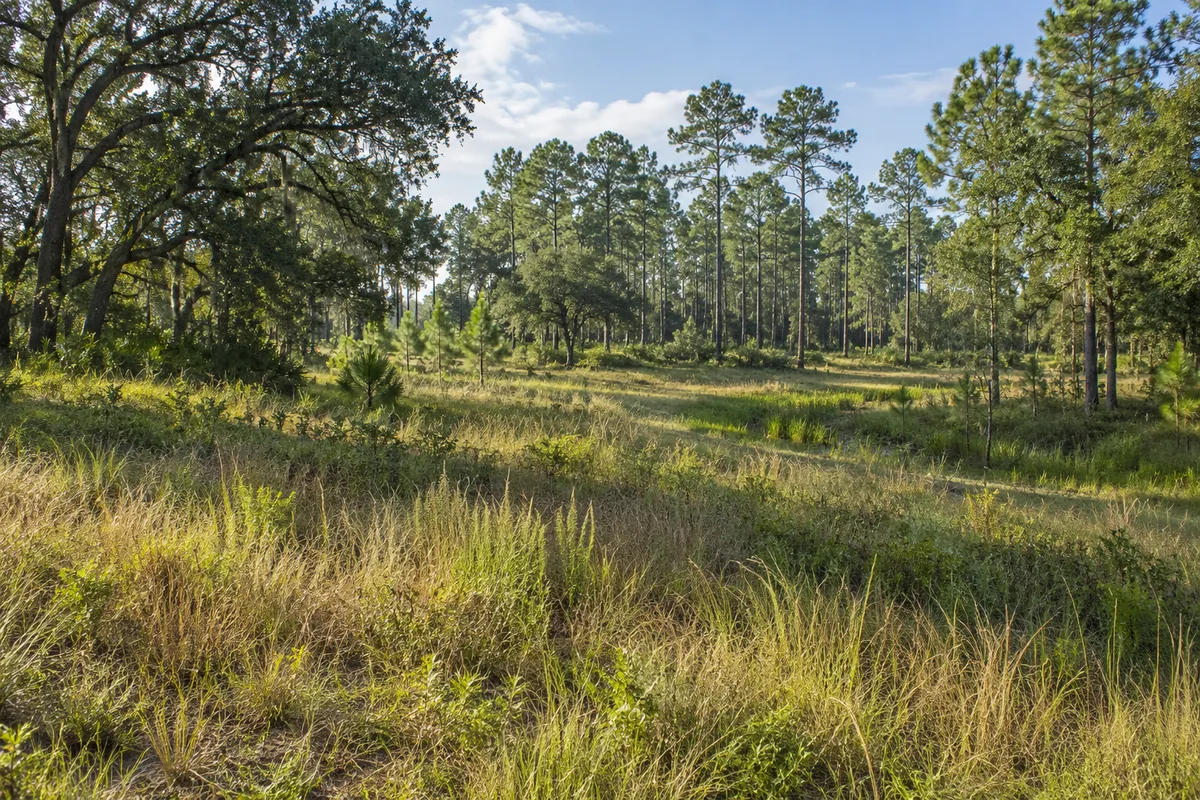
Find Your Land Record First
Look at your tax bill or deed. Write down the parcel ID, acres and owner name. A parcel ID is the number used to identify a piece of land. If you own several parcels, keep a separate line for each one.
The Madison County Property Appraiser links to property search. Start there to find your land record. Check that the parcel matches your papers. A nearby road name or mailing address alone may not identify the right land.
Save any survey, road agreement, well or septic papers you already have. A survey shows measured property lines. An online map helps you find the land, but it won't settle a boundary question.
If you need a deed, use the Madison County Clerk's records guide. It separates Official Records from court records. Ask the Clerk which search or record request fits the papers you need.
If you're helping settle a loved one's estate, gather what you have. A title company can help check ownership and who needs to sign. You can start with that question before setting a price.
Compare Land That Serves the Same Buyer
A small home site, a pasture and a wooded tract may attract different buyers. Start with completed sales of land like yours. Active listings can show the choices buyers have, but an asking price isn't proof of a sale price.
Ask a local land agent or appraiser for the records behind each sold match. You can also ask the Property Appraiser's office where to find sale records for your area. Its public contact number is 850-973-6133.
- For a home site: Compare similar lot sizes, road access and known water and wastewater options.
- For pasture: Compare usable open ground, fences, access and any buildings included.
- For timberland: Compare tract size, access and what is known about the trees. Don't guess timber income from a photo.
- For mixed land: Note how much is open, wooded or wet, and what still needs checking.
Begin nearby and widen your search if there are too few useful sales. A sale across the county may help if the land serves the same kind of buyer. Explain why you used it.
Save the parcel ID, sale date, total price and acres. Check whether the sale included a house, other buildings or several parcels. Those extras can make bare land look more costly than it really was.
Count a sale once even if it appears in several listings. A small change in the address or rounded acreage doesn't prove it is a different property. When the records don't line up, leave that sale out until you can confirm it.
Check Low Areas Before Comparing Prices
Usable ground matters more than total acres alone. If some of your land stays wet after storms, note where that happens. Take photos when you can do so safely. Tell buyers what you've seen rather than promising the land never floods.
The county's flood information page describes both river flooding and water that collects after heavy rain. It points owners to flood maps and says Building and Zoning keeps elevation certificates submitted for permitted structures.
An elevation certificate records a building's height compared with flood levels. If your land has a building, ask whether one is on file. Vacant land may have no such record.
The county's land-use map guide links to a map where you can search by owner, parcel ID or address. Use the map to find questions about flood zones and land use. Land use means the kinds of uses the county plans for an area.
For help with a parcel, call Planning and Zoning at 850-973-6785. Ask which records apply to a likely home site or other use. A map alone doesn't approve a building.
You don't need to design a buyer's whole project before asking about a sale. Share known facts and open questions. When comparing prices, choose land with similar usable space and similar unanswered questions.
Write Down What You Know About Access and Utilities
Show how someone reaches the land. Is there a public road, a private road or a route across someone else's property? If the route crosses other land, look for a written access right. Ask a title company to review it if you're unsure.
A visible path is useful information, but it doesn't prove a buyer has the right to use it. Save road agreements and any survey showing the entrance. Don't make a promise based only on a map line.
For water, power and wastewater, keep three simple labels: already on the land, nearby, or not confirmed. A line along the road doesn't mean a connection is paid for. Ask the service provider about the parcel and likely connection costs.
Where there is no sewer, a home may need septic, the system that handles household wastewater. Keep any existing system or permit papers. A buyer's planned home may need further checks. Get advice and a quote before paying for work just to prepare for a sale.
If the land has a farm-related tax status, gather the notice and ask the Property Appraiser how a sale or change in use may affect it. The office has an agricultural information page. Don't promise a buyer that your current tax treatment will carry over.
Build a Price Range You Can Explain
Put your land on one line and each useful sold match on another. Record:
- Parcel ID, sale date, total price and acres.
- Buildings or other parcels included.
- Location, road access and usable ground.
- Known utility and home-site details.
- What is similar, what differs and what is unknown.
Here's a made-up example, not a Madison County sale. A 20-acre tract sells for $160,000. That is $8,000 per acre. A two-acre home site sells for $40,000. That is $20,000 per acre, but much less money overall.
The small lot may be the better home site. The larger tract may suit a different use. Multiplying your acres by either number won't give a reliable answer unless the land is a useful match.
Keep asking prices and tax values separate from completed sales. If one sale is far higher or lower than the others, check what was included before using it. Don't let an unexplained number set your price.
Use a range when good matches are scarce. Name the missing answers. A local land agent or appraiser can help check the range. An appraiser gives an opinion of value; ask which records support it.
Compare Offers by the Money You Keep
You can sell with an agent, handle the sale yourself or compare a direct buyer's offer. An agent can help with pricing, marketing and buyer questions. Selling yourself puts more of that work on you. A direct buyer gives you another set of price and terms to consider.
Get each offer in writing. List the price, loan payoff, unpaid taxes, fees and any work you agree to pay for. Ask who pays for a survey, title work and buyer checks.
Also compare the planned closing date, deposit and reasons the buyer may cancel. A higher offer can leave you with less money when the costs are higher. Use our land offer worksheet to keep the choices side by side.
You can ask about an offer while some records are still being sorted out. Be clear about what you know and what remains open. If you'd like a direct offer to compare, Reelvest can review your land.
Our Florida land seller guide explains the wider selling process. Choose the route that fits your price goals, time and comfort with the work.
Questions About Madison County Land Value
What is land worth per acre in Madison County?
Compare similar completed sales to build a range. Check size, location, road access, usable ground and utilities. A small home site and a large wooded tract should not share one price estimate just because both are in the county.
Can I use my tax value as my asking price?
Use it as a separate reference, not as a completed sale. Look at useful sold matches and written offers. Ask what makes your land similar to or different from each match.
How do wet areas affect the comparison?
Compare usable space and known flood questions. Ask Planning and Zoning which maps and records apply to your parcel. A flood map alone does not tell you a final price or approve a home site.
Should I clear trees before selling?
Not automatically. Gather your papers and take clear photos first. Ask what buyers need before paying for work. Trees may be part of what a buyer wants. Check the rules and get a quote if clearing becomes part of the plan.
Do I need a new survey to ask for an offer?
You can begin with the records you have. An offer or title review may show that a new survey is needed. Ask why it is needed, who will arrange it and who will pay before agreeing to the cost.
Local source links reviewed October 6, 2026.