
Start selling Baker County, Florida land with its parcel number, the owners’ names and the papers you have. If the deed is missing, the Clerk’s online records page explains copy options. Then compare useful sales, buyer routes and written offer terms.
Tell us about your land. There’s no obligation to accept an offer.
Start with what you know. These steps will help you get ready and choose the way to sell that fits you.
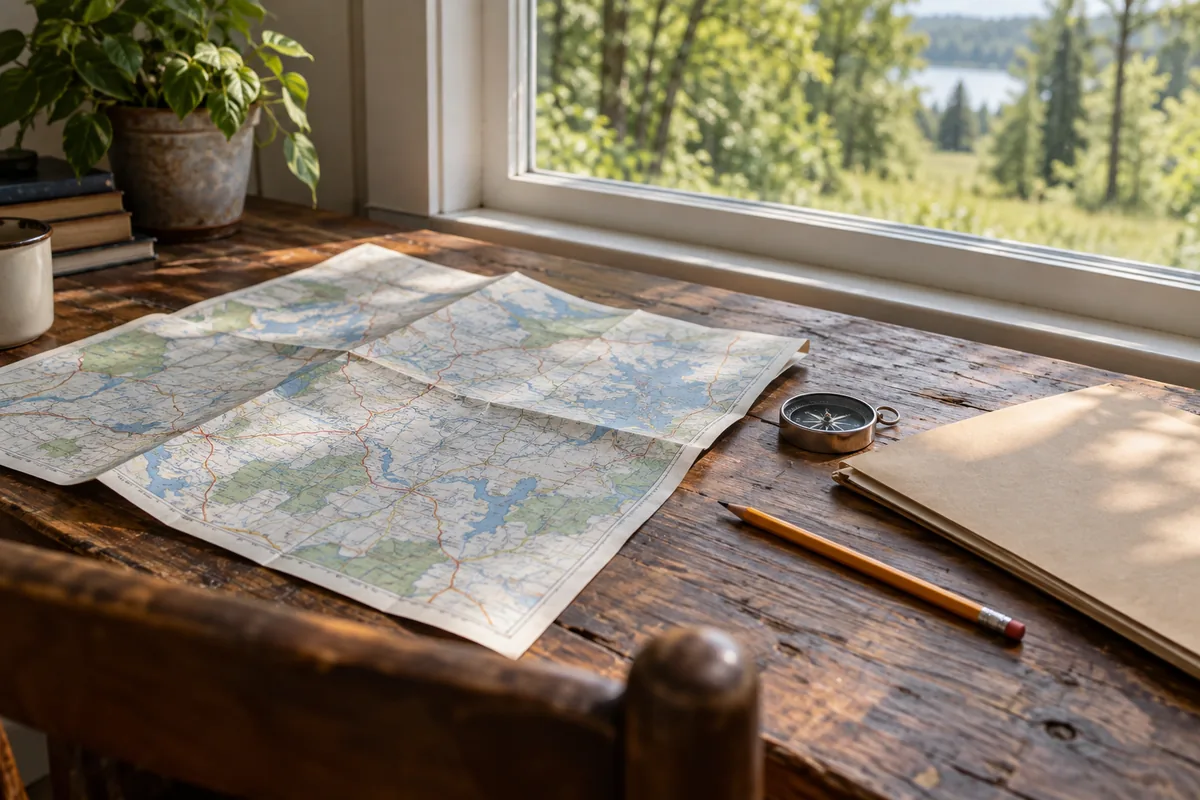
Find a tax bill, deed if available and a map. Write down the parcel number, acres if known and owner names. Add directions from the nearest public road, especially if vacant land has no street address. For several parcels, make one line for each.
Keep any old title report or mortgage paper with the file. Names, dates and recording references in those papers may help locate a missing deed. You can start talking with an agent or buyer while you look for a copy; tell them which records are still missing.
The Baker County Clerk’s Official Records page says online copies can be downloaded without charge. It also describes purchased electronic-certified and paper-certified copies. Ask the closing team which kind it needs before ordering.
A plain copy can help you read a description or find another reference. If an official certified copy is needed, follow the Clerk’s current instructions and check the charge. Do not assume that buying certification is part of every first conversation about selling.
If you cannot find the document, gather its names, date and any book and page or instrument number. Use the Clerk’s contact information to ask about the next step. Keep the full paper when you receive it, rather than only a search-result line.
The online Official Records page lists a starting date of June 7, 1948 and shows a last-verified-through date. Check those labels when you search, especially for a recent paper or a much older record.
If the date you need falls outside the stated coverage, ask the Clerk what route is available. A missing online result does not by itself explain whether a paper exists in another form. Save the reference and the date of your search so the closing team can see what was checked.
For a change in ownership, compare the recorded paper with your own file and ask about differences. Do not rewrite an owner name from memory to make two records match.
Write directions to the entrance and note gates, shared routes and who should arrange a visit. If the trip crosses a neighbor’s property, share any written access agreement with the closing team. Add recent photos and their dates.
Gather well, water-service, septic and power records you already have. State what is known and what is unknown. If someone farms, grazes or uses the land under an agreement, share it and explain what changes after the sale. List any equipment or other items included.
Look for completed sales with similar access, usable space, services and likely use. Then compare acreage. A nearby tract may be a poor match when those features differ.
Keep active asking prices and county tax values separate from what buyers paid. Note each sale’s date and main differences from your land. A local land agent or appraiser can help explain a range if there are few good comparisons.
An agent can help with price, marketing, calls and visits. Ask about fees and the listing term. Selling it yourself means taking on those jobs. A direct buyer gives you another option to compare with the time and work involved.
Check each offer’s parcels, price, seller costs, deposit, buyer checks and target closing date. Ask when either side can cancel, then request an estimate after taxes, loans and fees. Our offer worksheet helps keep the details together.
Reelvest buys land directly from owners. Share what you know about your land if you want an offer to compare. You decide whether the terms fit.
Ask who will handle closing and which papers it needs. Mention shared owners, a name change or an old loan early. If you are handling inherited land or helping settle a loved one’s estate, ask which documents and signatures are needed.
List open items and who will handle each one. Confirm how payment will reach you before counting on the target date. See our document checklist and Florida seller guide for more help.
Ask the closing team what it needs. The Baker Clerk page describes ordinary online copies as free and offers paid certified options. Check current instructions before ordering.
It lists June 7, 1948 as the online starting date. Ask the Clerk about an older record or one that does not appear.
Look at the online page’s last-verified-through date. Keep it with your search notes and ask the Clerk about a document that may not yet appear.
Yes. Share the location, owners and records you have. Explain what is missing and agree which copies are needed before relying on the sale dates.
Local source links reviewed October 27, 2026.