
To sell Alachua County land, identify the parcel, compare useful land sales and choose how to find a buyer. County property and map tools can fill record gaps. Keep a proposed-tax notice separate from the current amounts used to work out your closing payment.
Tell us about your land. There’s no obligation to accept an offer.
Start with what you know. These steps will help you get ready and choose the way to sell that fits you.
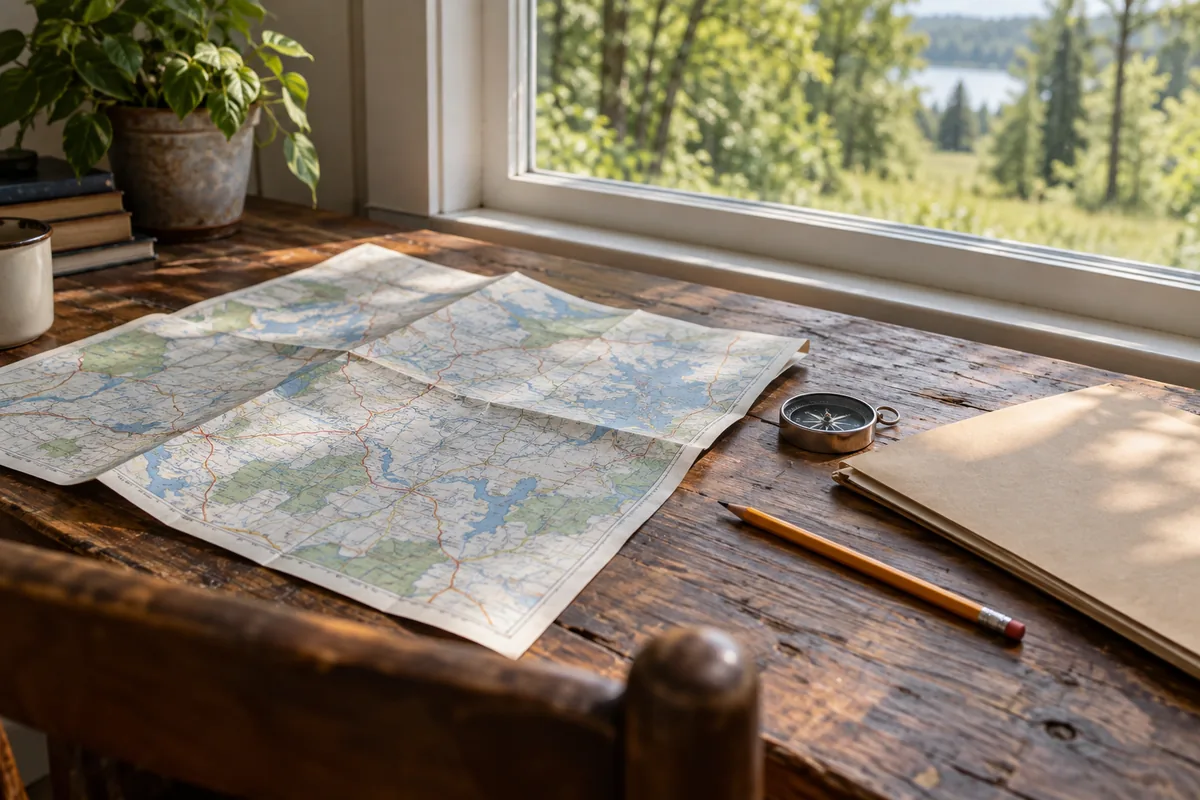
Find a tax bill and keep it with the deed and any map. Write down the parcel number, acres if known and owner names. If you plan to sell several tracts, list each one and mark what is included. Add directions from a public road if there is no clear address.
The Alachua County Property Appraiser’s property-information guide explains what its parcel pages show. Useful items include a parcel summary, owner details, historical sales with Clerk links and nearby sales reports. Use those records to locate the land and find papers you want to review.
The county’s Map Genius update describes a redesigned map at the same web address. Its layers include parcel information, municipal boundaries, zoning, land use and flood zones.
Save the location and the date of any map you share. If a layer raises a question, write it down and ask the office that handles that subject. A screen view is a starting point for checking a specific use, rather than a promise that the buyer’s plan is approved.
You do not need to solve every future project question before speaking about a sale. Share existing reports and answers, with their dates, and be clear about anything not yet checked.
The Property Appraiser explains that the TRIM notice, or notice of proposed taxes, is not a tax bill. If that is the paper you have, keep it labeled as a notice rather than treating its amount as the final tax charge.
Gather current tax information and any loan statement for the closing team. Ask for an estimate showing the price, taxes, debts and fees, plus the amount you would keep. Ask which figures may still change. This makes offers easier to compare without guessing from one county value or notice.
Write directions to the entrance, noting gates, shared drives and who should arrange a visit. Share any written right to cross another property with the closing team. Use recent photos with dates and keep any survey you have for boundary questions.
Describe water, well, septic and power from reports or service letters you already hold. Say what is unknown. If someone uses the land under a lease or other agreement, share it and explain what the buyer would take over. List any items included with the land.
Use the county sales information as a place to find possible matches, then check what each sale included. Compare access, usable space, services and likely use before comparing acreage.
Keep active asking prices and county tax values separate from completed sale prices. Note each useful sale’s date and main differences. A local land agent or appraiser can help explain a range when the available sales are weak matches.
An agent can help with pricing, marketing, calls, visits and offers. Ask about fees, listing length and experience with land like yours. Selling it yourself gives you more of that work. A direct buyer is another option to compare.
For each offer, check the parcels, price, seller costs, deposit, buyer checks and closing date. Ask when either side can cancel. Our offer worksheet helps keep terms and your estimated payment together.
Reelvest buys land directly from owners. Tell us about your land if you want an offer to compare. You decide whether it fits your plans.
Ask who will handle closing and what it needs from you. Mention other owners, a name change or an old loan early. If you are handling inherited land or helping settle a loved one’s estate, ask which papers and signatures are needed.
Keep open tasks on one list, with a person responsible for each. Confirm how payment will reach you before relying on the date. See our document checklist and Florida seller guide for more help.
The Alachua Property Appraiser’s guide says parcel pages include historical sales, Clerk record links and area sales reports. Check what each sale included before using it as a price match.
No. The Property Appraiser describes it as a notice of proposed taxes. Ask for current tax amounts when the closing team estimates your payment.
The county describes layers for parcels, municipal boundaries, zoning, land use and flood zones. Use the map to identify questions for the appropriate office.
Yes. Share what you know and the records you have. Before signing, agree what the buyer will check, who will get records and how the answer affects the sale.
Local source links reviewed October 27, 2026.