
To sell Prowers County land, list the parcels you want included, gather the records you have and compare similar sales. Use the county’s property search and map together so a buyer can see both the record and the location.
Tell us about your land. There’s no obligation to accept an offer.
Start with what you know. These steps will help you get ready and choose the way to sell that fits you.
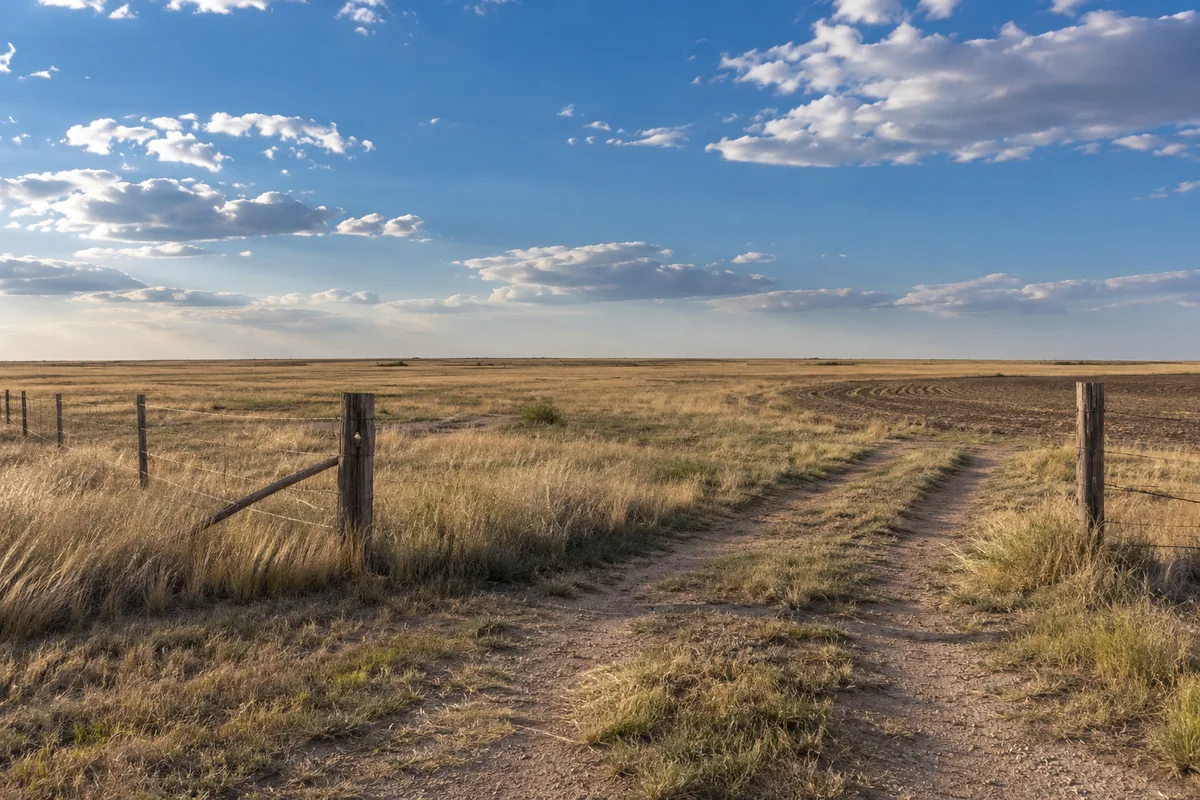
Find the account or parcel number and keep it with owner names and any deed you have. Make a separate entry for each tract. Mark which ones are for sale and which you plan to keep.
A clear parcel list helps avoid an offer for the wrong land. You can start talking with an agent or buyer while you find missing papers. Note unknown details instead of guessing.
The Prowers County Assessor’s page links to Property Search and Prowers County Map through qPublic. It also links to a guide for using qPublic. Start from that county page to choose the right tool.
Save the useful record with its date and a map of the same parcel. Compare the acreage and number with your bill and deed. If the result is unclear, contact the Assessor with the parcel details and one specific question.
Add directions from a public road, especially if there is no street address. Note gates, shared roads and who can approve a visit. Share written access agreements with the closing team.
Show current photos of the land you are selling. Keep a map beside the parcel list so a buyer knows which tract each photo concerns. A map helps show location; it does not settle every boundary or road-use question.
List known water sources, power service, buildings and septic. Save reports, permits and service letters if you have them. Be clear when the condition or approval of a system is unknown.
If someone farms, grazes or otherwise uses the land, share the written agreement you have. Ask how that use will be handled at closing. Do not promise a new use from the tax record alone.
Compare confirmed sales with similar access, usable ground, services and current use. Explain important differences before comparing price per acre. A nearby lot with services may draw a different buyer from a larger tract without them.
Keep asking prices and tax values separate from completed sales. Ask a land agent or appraiser for a range when useful matches are scarce. Our Colorado seller guide offers more preparation help.
An agent can help with pricing, ads, visits and offers. Ask about fees, land experience and the listing term. Selling yourself means handling those tasks. A direct buyer gives you another option to consider.
For each offer, list the price, your costs, deposit, review period and target closing date. Ask what allows a cancellation or price change. Reelvest can review the land for a direct offer if you want one to compare.
Ask the closing team to estimate your payment after costs, taxes and loan payoffs. Check which amounts may change. Raise other owners, old loans and name changes early.
If you are handling inherited land or helping settle a loved one’s estate, ask who needs to sign. Start with available records. Our document checklist can help you track the next step.
The county Assessor’s page links to Property Search and Prowers County Map through qPublic. Keep your tax bill and deed handy to compare any result.
The Assessor’s page also links to a qPublic guide. If you still cannot find the record, contact the office with the parcel number and the detail you need.
Provide the parcel list as well. Mark which tracts are included so the buyer can check the same land when pricing an offer.
You can begin a conversation with those details. Explain what is missing and ask the agent, buyer or closing team which records are needed next.
Local source links reviewed October 27, 2026.