
Start selling Phillips County land with a parcel list and the records you already have. For a missing deed, use the county’s date-based online route or ask the Clerk for a copy. Then compare similar sales, buyer choices and what you would keep after costs.
Tell us about your land. There’s no obligation to accept an offer.
Start with what you know. These steps will help you get ready and choose the way to sell that fits you.
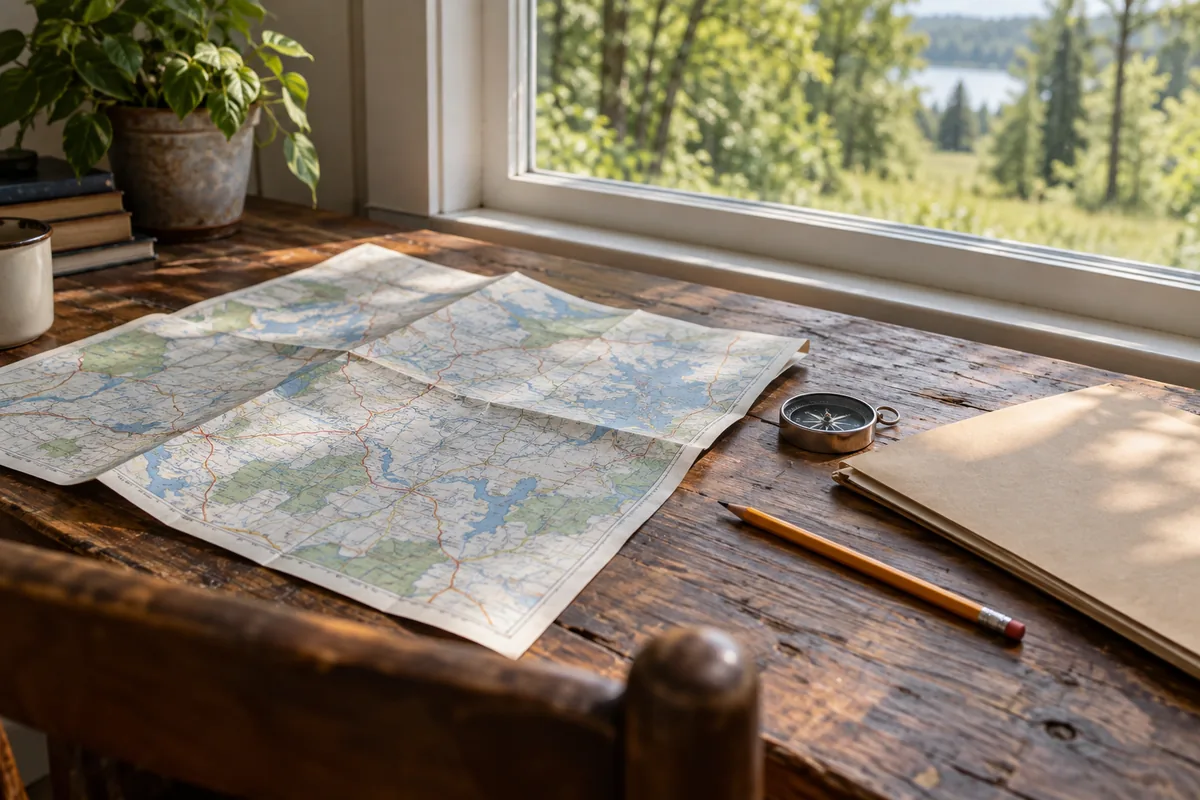
Find a tax bill, deed and any map. Write down the parcel or account number, acres if known and owner names. Add directions from the nearest public road if there is no street address. Use one row for each tract if you plan to sell several.
The county’s Property Record Search page links to its property database. The page says the information is for customer convenience and does not guarantee its accuracy or completeness. Use it to help locate the land, and ask about any difference from your papers.
The Phillips County Recording Documents page points to an online link for records from February 1997 onward. It also tells people needing a document copy to call or email the Clerk and Recorder.
For an older paper or an image you cannot find, keep the names, date and any recording number or book and page handy. Ask the office which copy route fits your request and check current charges. Do not assume that no result in the newer online route means the paper never existed.
Ask your closing team what kind of copy it needs before paying for one. Keep the whole document with its references rather than just a search-result screenshot. You can start the selling conversation while a missing copy is being found.
List buildings, fences, equipment or other items included with the land. If someone farms, grazes or uses it under an agreement, gather that agreement and explain what changes at the sale.
For water, power or septic, share permits, reports, bills or agreements you already have. Separate what the record says from what has been tested or checked recently. If the water source or service for a future use is unknown, say so.
This gives buyers a better starting point than broad wording such as “all services available.” You do not need to plan their project to explain the records you hold.
Give directions from a public road to the entrance. Note gates, shared routes and who should approve a visit. Share written access papers if the route crosses another property. A line on a map does not explain all the terms for using the route.
Take recent photos that show the entrance and the land you reached. Label the date and any limits on the visit. Keep a survey or recorded map you have available for boundary questions, and be clear if those questions have not been checked.
Compare completed land sales with similar access, usable space, services and likely use before comparing acreage. A nearby sale may still be a poor match when its services or access differ.
Keep asking prices and county tax values separate from what buyers paid. Write down each useful sale’s date and the main differences. If there are few good matches, ask a local land agent or appraiser for a range and the reasons behind it.
An agent can help with price, marketing, calls, visits and offers. Ask about the fee and listing length. Selling it yourself gives you more of those jobs. A direct buyer is another route to compare with the time and work involved.
For any offer, check the parcels, included items, price, seller costs, deposit, buyer checks and closing date. Ask when either side can cancel, then request an estimate after taxes, loans and fees. Our offer worksheet can help you compare.
Reelvest buys land directly from owners. Share what you know about your land if you want an offer to compare. You decide whether the terms fit.
Ask who will handle closing and which papers it needs. Mention shared owners, an old loan or a name change early. If you are handling inherited land or helping settle a loved one’s estate, ask which documents and signatures are needed.
Keep a list of open items with a person responsible for each. Ask how payment will reach you before relying on a date. See our document checklist and Colorado seller guide for more help.
The Phillips County Recording Documents page labels its link for records from February 1997 onward. Ask the Clerk about an older paper or a copy you cannot find.
Yes. The county Recording Documents page gives phone and email options for document-copy requests. Have any recording reference, names and date ready, and check current charges.
No. Use the property search to help identify the land. Keep the actual deed copy and ask the closing team what records it needs.
Yes. Start with what you have and explain the gap. Agree which record is needed, who will get it and how it affects the sale dates.
Local source links reviewed October 27, 2026.