
Start selling Montrose County land with a parcel list, the records you have and a price based on similar sales. Use the right county tool for each missing detail, then compare your buyer options and what you would keep after costs.
Tell us about your land. There’s no obligation to accept an offer.
Start with what you know. These steps will help you get ready and choose the way to sell that fits you.
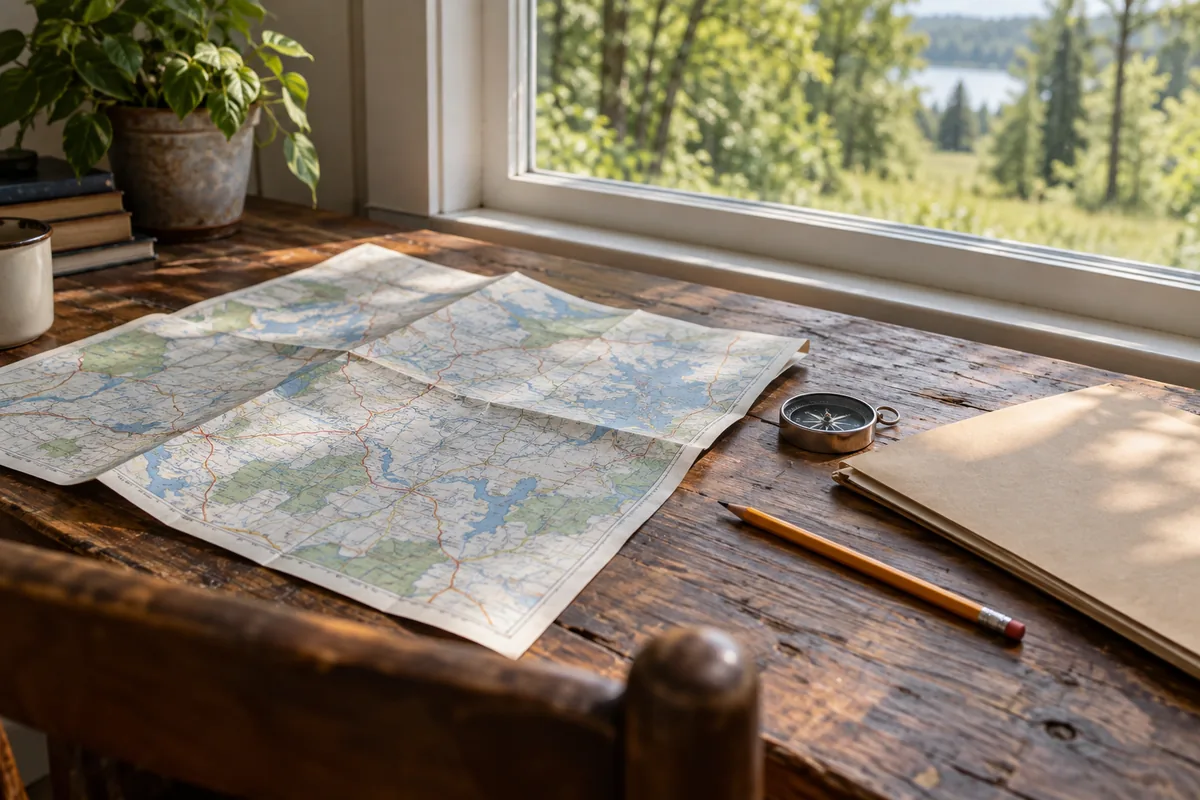
Put a recent tax bill, deed and any map in one folder. List each parcel or account number, acres if known and owner names. Mark which land you want to sell and what you want to keep. Add the nearest road and directions if there is no street address.
The Montrose County Assessor page links to the property record search and parcel map viewer. Use those as a starting point to locate the land. The office says most functions can be handled by phone or email, so you can ask about a missing detail before planning a visit.
A parcel record helps identify the land. A recorded deed is a different paper, and a tax account answers a different question again. The county’s Search For page gives separate links for property records, recorded documents, tax records and maps.
Write the question beside the link you use: “Which parcel is this?”, “Can I find the deed?” or “What tax charges are shown?” Save each result with its date. If a page label or number differs from your papers, keep both and ask the office to explain.
That small step makes the sale file easier to share. A buyer can see which facts came from a map, a tax account or a recorded document rather than one undated screenshot.
The Online Records Search page links to the county’s document portal and explains account setup. Its steps include creating a login, closing the browser and using the emailed link to return. If you do not receive the link or cannot reach the portal, ask the Recorder for help.
Keep any recording number, names and dates from your old papers handy. Ask the closing team what kind of copy it needs and check current charges before ordering. You can begin talking about a sale while a missing copy is being found.
Write directions from a public road to the entrance. Note gates and shared drives, and say who should arrange a visit. Share written access papers if the route crosses another property.
Describe known water, power and septic details using records you have. Say what has not been checked. List any buildings or equipment included in the sale. If someone uses the land under a lease or other agreement, share it and discuss when the buyer could take over.
Use completed land sales with similar access, usable space, slope and services. Compare acres after those features. A nearby parcel is not a strong price match just because it is the same size.
Keep asking prices and county tax values separate from sale prices. Save each useful sale’s date and main differences. A local land agent or appraiser can help explain a range when the available sales are weak matches.
An agent can help with price, advertising, visits and offers. Ask about fees and the listing term. Selling it yourself means doing more of that work. A direct buyer is another option to compare.
For each offer, check the parcel list, price, seller costs, deposit, buyer checks and closing date. Ask when either side can cancel. Request an estimate after taxes, loans and fees; our offer worksheet helps keep those terms together.
Reelvest buys land directly from owners. Share your land details if you want an offer to compare. You decide whether it fits your plans.
Ask who will handle closing and which papers it needs. Mention other owners, an old loan or a name change early. If you are handling inherited land or helping settle a loved one’s estate, ask what documents and signatures are needed.
Keep a short open-items list and ask how each item affects the target date. Confirm how payment will arrive. See our document checklist and Colorado seller guide for more help.
The Montrose County Assessor page says most functions can be handled by phone or email. Start with the parcel number and a specific question.
No. The county Search For page links separately to property records, recorded documents, tax records and maps. Choose the one that fits the question you are trying to answer.
The county account instructions include an emailed link after creating a login. Ask the Recorder for help if you do not receive it or cannot reach the portal.
No. Start with what you know and list the gaps. Before signing, agree which records are needed, who will get them and how they affect the dates.
Local source links reviewed October 27, 2026.