
To sell Gunnison County land, gather the parcel details and records you have, set a price from useful comparisons and choose a buyer route. Be clear about which water records go with the sale rather than promising water use from a photo.
Tell us about your land. There’s no obligation to accept an offer.
Start with what you know. These steps will help you get ready and choose the way to sell that fits you.
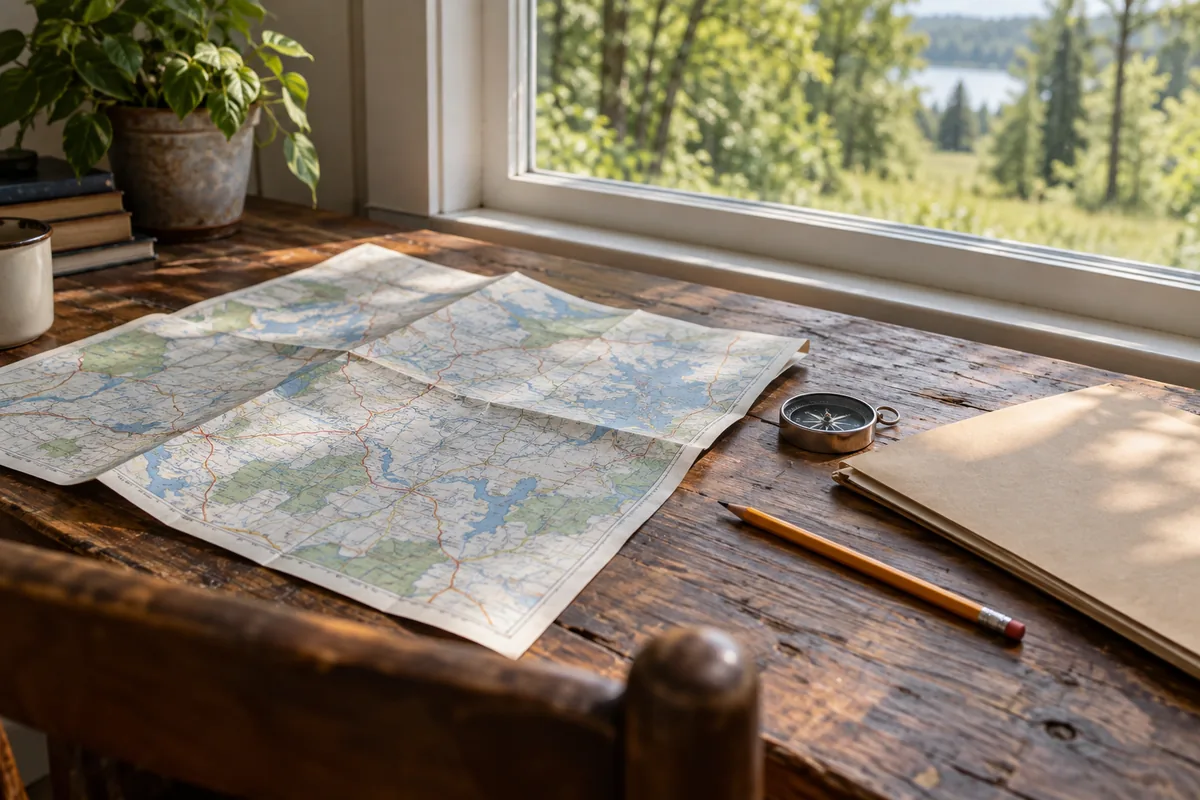
Keep a recent tax bill, deed and map together. Write down the parcel or account number, acres if known and owner names. Add directions from a public road and make one line per parcel if you are selling several.
Look through the deed and other papers for any water references. Put well permits, service bills and other water records in the same folder. If a record is missing, note that rather than trying to fill the gap from memory. You can start talking about a sale with the papers you have.
A ditch or creek can be easy to photograph and hard to describe well. Colorado State University Extension explains that a ditch crossing a property does not necessarily give its owner the right to use that water. It also says well permits can limit allowed uses.
Describe the feature you can see, then separately list the records you hold. For example: “A ditch crosses the parcel; water-use rights have not been confirmed.” If you do have water papers, share their full wording with the buyer and closing team.
Avoid stretching a record for one use into a promise about another. Ask for help if it is unclear what is included in the sale or how to describe it in the agreement.
Gunnison County’s Online Resources page explains how to ask about water rights listed in a deed. It directs people to the clerk for the water division where the parcel lies, with the property’s legal description. The page lists both Division Four and Division Five because the county crosses those areas.
Keep a copy of the deed description with the question. Ask which office covers the parcel and whether an attorney is needed to explain the papers. Keep the answer and its date.
You do not need to plan a new home, irrigation system or well before asking about selling. Give the buyer the facts you have and be clear about the question it still wants to check.
Write directions to the entrance, including gates and shared routes. Say who should arrange a visit. Share any written right to cross another property with the closing team. Explain any road upkeep arrangement you know about.
If someone farms, grazes or uses the land under an agreement, share it and discuss when that use ends or changes. List equipment or other items included in the sale. Recent photos help buyers see the land, but do not replace those written details.
Use completed sales with similar access, usable land and documented services or water features. Then compare acreage. Keep confirmed features separate from unverified listing claims when you choose matches.
Save each useful sale’s date and note what is better or worse than your land. Keep asking prices and tax values separate from what buyers paid. If the land has features you cannot price from nearby sales, ask a local land agent or appraiser for a range and an explanation.
An agent can help with pricing, marketing, visits and offers. Ask about fees and the listing term. Selling it yourself means handling those jobs. A direct buyer is another route to compare with the time and work involved.
Check each offer’s parcel list, included water records or other items, price, seller costs and target date. Ask what the buyer still needs to check and when it can cancel. Request an estimate of your payment after taxes, debts and fees. Our offer worksheet can help.
Reelvest buys land directly from owners. Share your land details if you want an offer to compare. You decide whether it fits your plans.
Ask who will handle closing and what papers it needs. Mention other owners, an old loan or a name change early. If you are handling inherited land or helping settle a loved one’s estate, ask which documents and signatures are needed.
Agree who will handle each open question and how it affects the target date. Confirm how payment will reach you. Our document checklist and Colorado seller guide offer more help.
No. CSU Extension explains that a ditch crossing land does not necessarily give the owner a right to use the water. Share the records you have and ask for help with unclear rights.
Gunnison County directs people to the clerk in the water division covering the parcel, with its legal description. Its resources page lists Division Four and Division Five and notes that an attorney may be needed.
No. Start with the records you have. Ask which specific question matters to the buyer and who will check it before either side relies on an answer.
Ask what each buyer needs to check, who will obtain the records and what happens if the answer is different from expected. Compare those terms with price, costs and the planned closing date.
Local source links reviewed October 27, 2026.