
To sell land in Denver, start with the exact parcel. Compare useful land sales and choose how to find buyers. Check the current tax amount before estimating what you would keep, especially when online figures may leave out added charges.
Tell us about your land. There’s no obligation to accept an offer.
Start with what you know. These steps will help you get ready and choose the way to sell that fits you.
Find a recent tax bill, deed and map. Write down the parcel ID or schedule number, owner names and the size shown in your papers. If you own nearby parcels, mark which ones the sale will include.
Denver’s Property Search page says its assessment and tax system accepts an address, parcel ID or schedule number. Use a number when a vacant parcel has no clear street address. Compare the result with your deed and ask about any mismatch.
The City and County of Denver holds a tax lien sale in October or November. It warns that online figures may leave out added fees or amounts at that time. Some charges may also be missing in December and early January. That is when staff finish the tax roll.
If taxes are unpaid or the figure is unclear, use the Treasury contact on the official Property Search page to ask for the current amount. Give any notices to the closing team and request an updated estimate before counting on your payment.
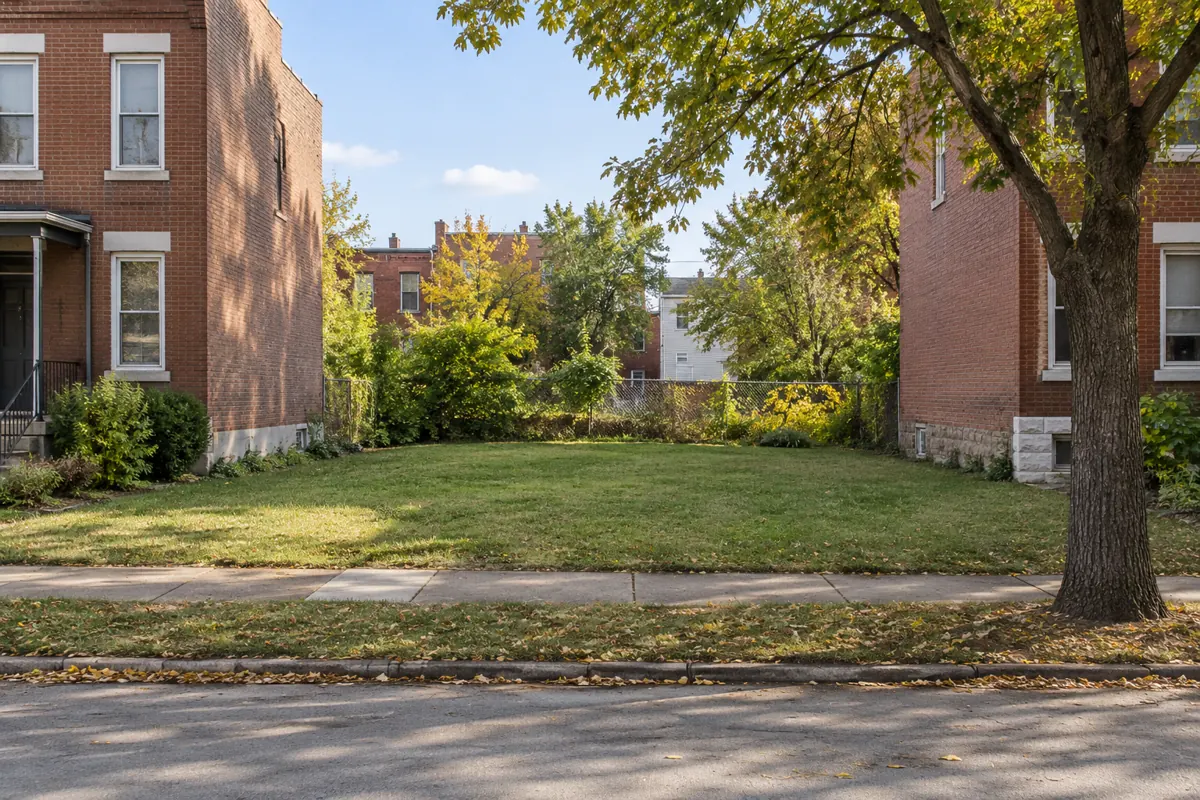
Take recent photos and explain where a visitor can meet you. Note fences, gates, driveways and any shared entrance. Tell buyers if a neighbor or tenant uses the land and share written agreements you have.
List known water, sewer, power and other service records. If someone asks about a new building, be clear about what you have checked and what remains open. You do not need to design the buyer’s project to begin selling, and a nearby service line is not a service promise.
Look for completed land sales with similar size, access, usable area and known services. A small lot between homes and a larger tract may attract different buyers. Explain those differences rather than applying one price per acre.
Save sale dates and parcel details. Keep home prices, active asking prices and tax values separate from completed land sales. Ask a land agent or appraiser to explain a price range if useful matches are scarce.
An agent can help set a price, advertise, arrange visits and review offers. Ask about land experience, fees and the listing term. If you sell yourself, plan time for those jobs and decide how you will screen inquiries.
A direct buyer offers another route. Ask how the offer was priced, what still needs review and how costs are divided. Reelvest can review the details if you want an offer to compare. Our Colorado seller guide gives more preparation help.
Check the parcel list, price, deposit, seller costs, review period and target closing date. Ask what allows a buyer to cancel or change the price. Put agreed changes in writing before relying on them.
Request an estimate after taxes, loans and fees. Compare offers side by side with our land offer worksheet. A higher price may carry more costs, a longer wait or conditions that matter to your plans.
Tell the closing team about shared owners, old loans, name changes or missing papers. Ask what it needs to check ownership, arrange payment and work toward the proposed date.
If you are handling inherited land or helping settle a loved one’s estate, ask which records and signatures are needed. You can begin with what you have. Use our document checklist to track missing items.
The official Property Search page says its system accepts a parcel ID or schedule number as well as an address. Look for the number on a recent tax bill.
Denver warns that added amounts during the October or November tax lien sale and some year-end charges may not appear. Ask Treasury about the current balance and give notices to the closing team.
You can start selling without designing a buyer’s project. Share the records you have and state clearly which service or use questions remain unchecked.
Compare both, along with costs, review terms and timing. Ask for a written estimate of what you would keep after taxes, loans and fees.
Local source links reviewed October 27, 2026.