
To sell Cheyenne County land, start with the parcel details, deed and a price range based on useful land sales. Be clear about what rights you intend to include, then compare buyer options and written offers.
Tell us about your land. There’s no obligation to accept an offer.
Start with what you know. These steps will help you get ready and choose the way to sell that fits you.
Find a recent tax bill, your deed and a map. Note the parcel or account number and the names of other owners. For more than one tract, make a list so a buyer knows exactly what is included.
The Cheyenne County Assessor’s page links to Property Search and parcel records. Compare any result with your own papers. If the acres or name do not match, ask the office about the difference rather than choosing a detail to use in the listing.
The Assessor’s public-records guide says its Parcel Search covers surface ownership only. It describes separate mineral cards and warns that its data is for assessment purposes.
Do not use a surface parcel result as proof of mineral ownership. If you have a mineral deed, lease or other rights paper, share it with the closing team. Ask what the proposed sale includes before accepting an offer. You do not have to interpret an old document on your own.
The Assessor’s page has separate Rural Sales, Town Sales and Mineral Sales files. Choose the type that fits the land or interest you are pricing. A mineral sale is not a direct price match for the surface land.
For useful land comparisons, check the date, location, acres, access and services. Keep asking prices separate from completed sales. If good matches are hard to find, ask a land agent or appraiser to explain a range. A county record can help you research; it does not guarantee an offer.
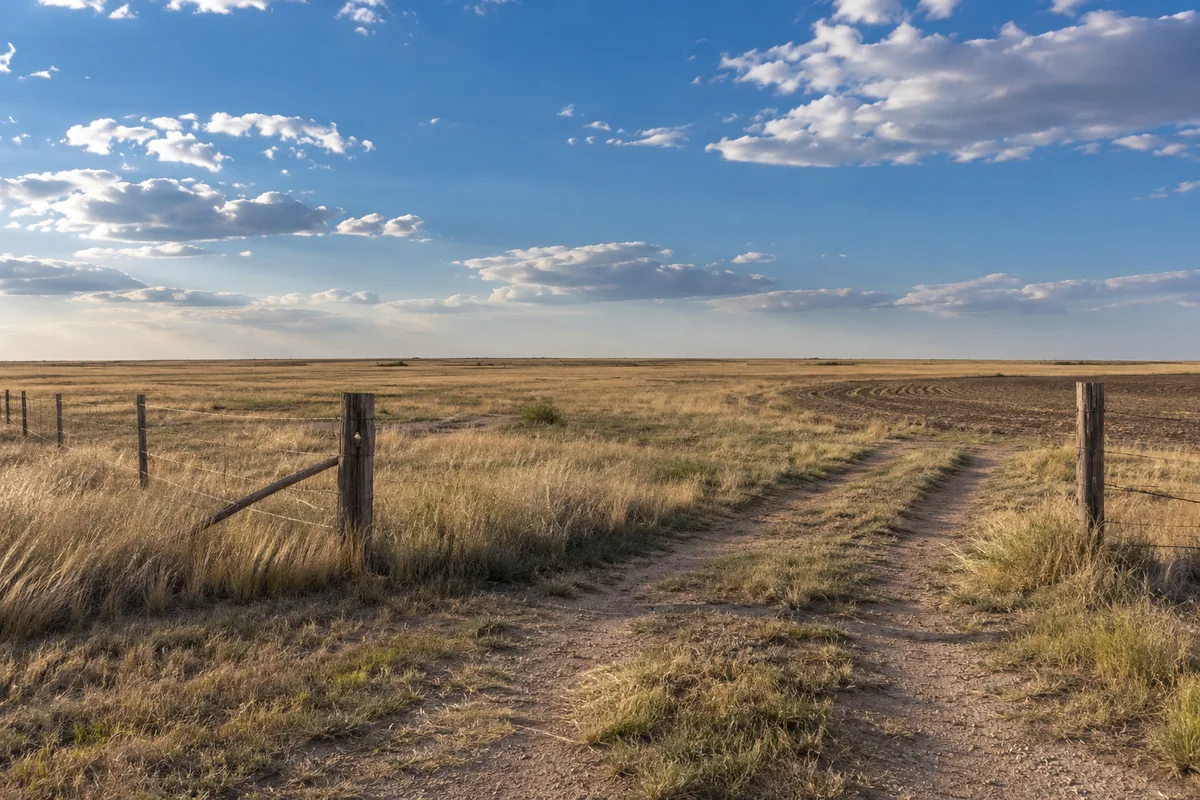
Give directions from a public road and note gates, shared roads and who can allow a visit. Keep any written access agreement with the deed. Do not send visitors across someone else’s land without permission.
List known water sources, power service and current uses. If someone farms, grazes or otherwise uses the land, share the written agreement you have. Say what remains unknown so a buyer can plan the right checks.
A land agent can help price the land, advertise it and arrange visits. Ask about fees, land experience and the listing term. Selling yourself means taking on those tasks.
A direct buyer gives you another option to compare. Ask what remains to be reviewed and what may change the timing. Reelvest can review your land for a direct offer if you want one. Our Colorado seller guide can help you prepare for each route.
Compare each written offer’s price, seller costs, deposit, review period and target closing date. Ask what allows a cancellation or price change. Check that the parcel list and the rights included match what you intend to sell.
Ask the closing team to estimate the payment you would keep after costs, taxes and loan payoffs. Keep agreed changes in writing.
Tell the closing team about other owners, name changes or old loans. Ask which papers are missing and who will provide them. You can begin with what you have.
If you are handling inherited land or helping settle a loved one’s estate, ask who needs to sign before counting on a closing date. Our document checklist can help track the next step.
No. The Assessor’s public-records guide says Parcel Search is for surface ownership only. Share any mineral papers with the closing team and ask what rights the sale includes.
The Assessor’s page links to separate Rural Sales, Town Sales and Mineral Sales files. Pick the right category and check whether each sale is a useful match for your land.
Keep those interests separate. Compare what was actually sold, along with access, services and other differences, before using a price as a guide.
Yes. Share the location and available records, then list what is missing. Ask the buyer or closing team which records matter for the next step.
Local source links reviewed October 27, 2026.