
You can start selling Alamosa County land without a street address or every record. Use a parcel number and map to identify it, share what you know about water and access, then compare prices and ways to find a buyer.
Tell us about your land. There’s no obligation to accept an offer.
Start with what you know. These steps will help you get ready and choose the way to sell that fits you.
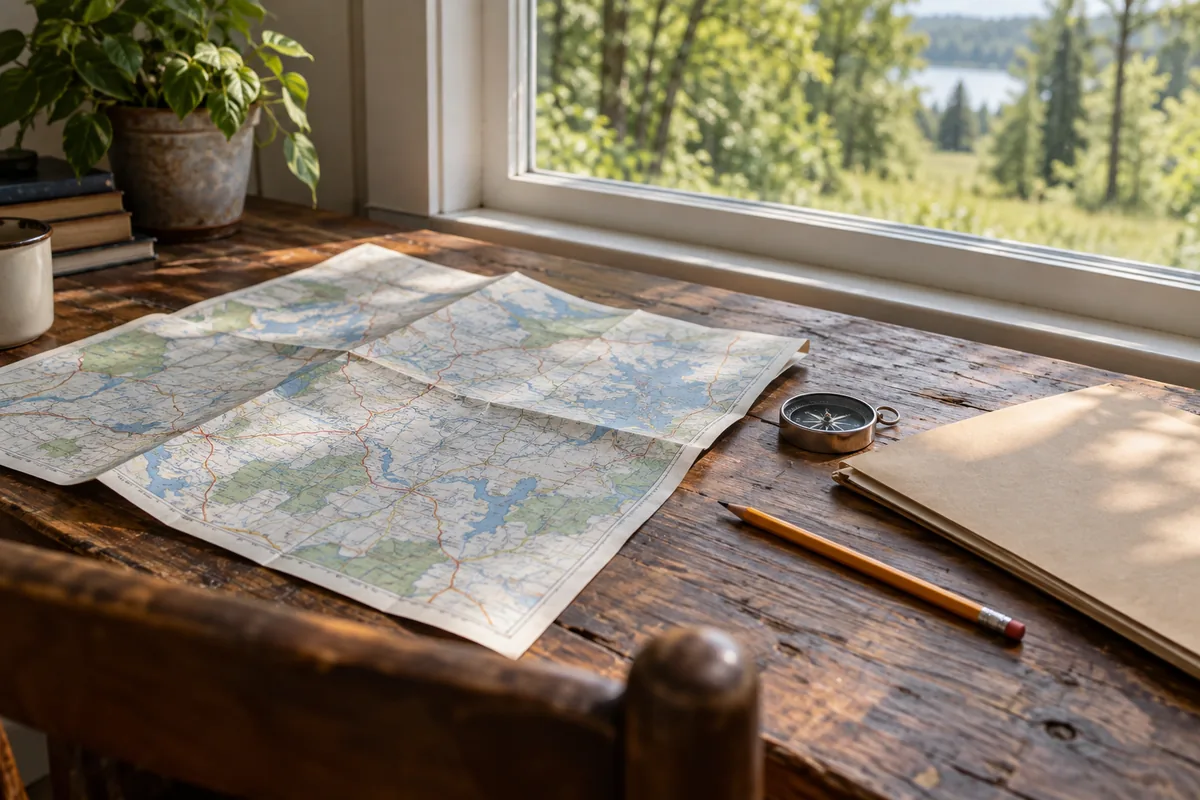
Find a recent tax bill and write down its parcel number. Keep it with the deed, the owners’ names and a location map. Add directions from the nearest road. Make a separate line for each parcel if you plan to sell more than one.
The county’s Assessor page links to an online property map and search. The Land Use & Building FAQ explains that the county does not issue addresses to vacant land unless steps toward certain improvements or access have been taken. An empty address field does not stop you from starting with a parcel number.
Put any well permit, well report, water agreement or service bill with your land papers. If you do not have one, say that the water source has not been confirmed. Avoid promising that acreage alone gives a buyer the water use it wants.
Alamosa County’s land-use FAQ directs water and well questions to the Colorado Division of Water Resources. If a buyer asks about a garden, livestock or a home, share the specific question and the permit number if known. Keep the answer with the records.
You do not need to order a well or plan a new use before asking about a sale. You need a clear description of what is known and what the buyer still wants to check.
Give directions from a public road and note gates or shared drives. If reaching the parcel crosses another property, share any written access agreement with the closing team. A visible track helps show a route but does not explain every right to use it.
The county FAQ warns that private-road upkeep, including grading and snow removal, falls to owners and neighbors. Tell buyers what you know about the road arrangement and share any written agreement. If you do not know who maintains the route, make that an open question.
For other services, pass along letters or bills you have. Say what has been checked rather than using a broad phrase such as “utilities available.”
Look for completed sales with similar road access, known water sources, services and usable space. Those details help explain why two parcels with the same acres may receive different offers.
Separate active asking prices from completed sales. Note the date of each sale and the main differences from your land. If you cannot find good matches, a land agent or appraiser can help explain a price range. Keep the county value in a separate column rather than treating it as an offer.
A land agent can help price, advertise and show the property. Ask what the fee covers and how long the listing lasts. Selling it yourself means making the listing, answering calls, arranging visits and comparing terms.
A direct offer is another option. Ask what remains to be checked, which costs you pay and when the offer could change. Reelvest can review your land if you share what you know. You may compare any offer with your other choices before deciding.
Check that the offer lists the right parcel and everything included. Ask how a water or access question affects the buyer’s deadline, who will get records and what happens if the answer is different from what the buyer expects.
Compare price, deposit, costs, cancellation terms and closing date. Ask for a written estimate of the money you would keep after taxes, debts and fees. Our offer worksheet helps keep offers side by side.
Mention shared owners, a name change or an old loan while there is time to work through it. If you are handling inherited land or helping settle a loved one’s estate, ask what papers and signatures are needed.
Ask who will handle closing, which items are still open and how payment will reach you. Keep the signed papers and final statement. Our document checklist and Colorado seller guide can help you prepare.
Yes. Use a parcel number, map and directions. Alamosa County’s FAQ explains that vacant land is not assigned an address unless steps toward certain improvements or access have been taken.
Alamosa County directs water and well questions to the Colorado Division of Water Resources. Share the permit number and the use being asked about if you have them.
No. The county FAQ says private-road upkeep, including grading and snow removal, is the responsibility of owners and neighbors. Share any road agreement you have.
No. Start with the records you have and say what is unknown. Before signing, clarify what the buyer wants to check and how that affects the sale.
Local source links reviewed October 27, 2026.