
To sell Adams County land, identify the parcel, gather what you know and compare similar land sales. Confirm which city or county office handles land-use questions before making a claim in your listing.
Tell us about your land. There’s no obligation to accept an offer.
Start with what you know. These steps will help you get ready and choose the way to sell that fits you.
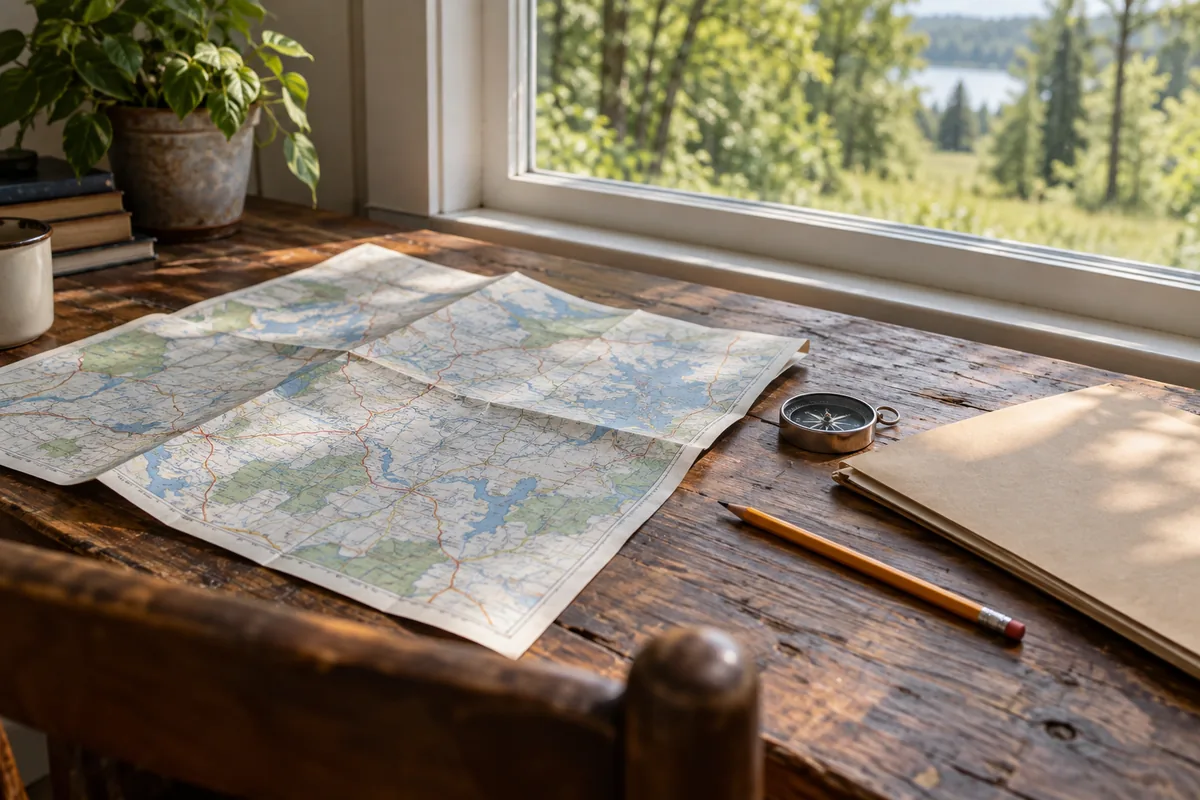
Start with a tax bill, deed and any map you have. Write down the parcel or account number, acres if known and owner names. For several tracts, make one row for each and mark which ones you plan to sell.
The Adams County Assessor page links to its Property Portal. The county says you can search by parcel number, account number, owner, address or county permit number. If an address search fails, another field may help you find the land. Save the result with your papers.
A mailing address does not always settle which government handles the property. The county’s business guidebook gives the example of Denver mailing addresses on land in unincorporated Adams County. Unincorporated means outside city or town limits.
The guide points to county maps to help find the right government. It says county zoning covers unincorporated land; land within a city or town goes to that community for zoning questions. If you are unsure, ask county Community & Economic Development for help.
This matters when a buyer asks about a home or business use. Share any written answer you have, with its date and the plan it covered. You can list an open question without planning the buyer’s project yourself.
Give directions to the entrance from a public road. Mention gates and shared routes, and say who should arrange a visit. Share any written agreement for crossing another property with the closing team.
List the things included with the sale, such as a fence, building or equipment. Describe water, power and septic from records you actually have. Say what is unknown. A service line near the land is different from a confirmed connection.
If someone farms, grazes or stores items on the land, share the arrangement and any lease. That helps the buyer understand what happens after the sale.
Compare completed land sales with similar access, usable area, services and likely uses. Then compare acreage. A small lot with services and a large tract without them may have little in common as buyer choices.
Keep asking prices separate from what buyers paid. Note each useful sale’s date and the main differences. If few good matches exist, ask a local land agent or appraiser to explain a range. County values can help organize the records; they should not be your only price guide.
An agent can help with pricing, advertising, calls and visits. Ask about the fee, listing term and experience with land like yours. Selling it yourself means handling those tasks and checking the people who ask to see it.
A direct buyer gives you another route to compare. Ask what checks the buyer needs and how the terms could change. Reelvest buys land from owners. Share your land details if you want us to review it for an offer. You choose whether the terms suit you.
Check that each offer covers the right parcels and included items. Write down the price, seller costs, deposit, buyer checks and target closing date. Ask when either side can cancel.
Request an estimate of what you would keep after loans, taxes and fees. A higher price with more open conditions may fit you differently from a lower offer with fewer steps. Our offer worksheet can help you compare the details.
Ask who will handle closing and what papers it needs. Mention shared owners, a name change or an old loan early. If you are handling inherited land or helping settle a loved one’s estate, ask which signatures are needed.
Keep an open-items list and ask who will handle each one. Confirm how payment will reach you and which amounts in the estimate may change. See our document checklist and Colorado seller guide for more help.
Yes. The Adams County Property Portal also supports parcel number, account number, owner and county permit number searches. Start with the number on a tax bill if you have it.
Not always. The county guidebook notes that some Denver mailing addresses are in unincorporated Adams County. Check the property’s location with county maps or staff.
The county guide directs zoning questions for land in a city or town to that community. County zoning covers the unincorporated portions of Adams County.
No. Start with the land and records you have. Be clear about questions that have not been checked, and let a buyer explain the use it wants to investigate.
Local source links reviewed October 27, 2026.