
Start selling Tuolumne County land with its parcel number, a clear description and a price based on similar sales. If the land was recently split or merged, check your papers against the county map before advertising it.
Tell us about your land. There’s no obligation to accept an offer.
Start with what you know. These steps will help you get ready and choose the way to sell that fits you.
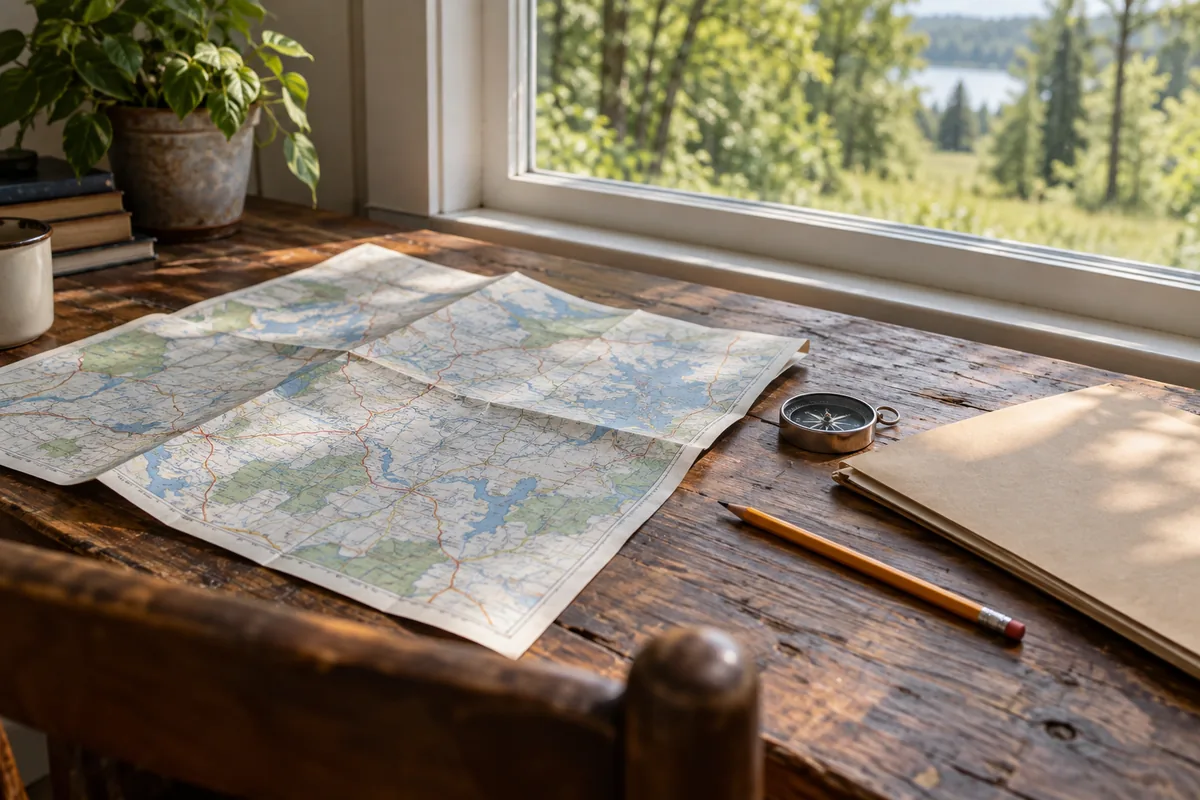
A recent tax bill is a good place to find the assessor parcel number, or APN. Keep it with the deed, owner names, acres if known and directions to the entrance. If there are several parcels, list them separately.
The Tuolumne County Assessor page links to the Property Search Tool / Value Notice. It lets you view parcel maps and some assessment details. The county notes that vacant land may have no street address, so an APN may be needed for the search.
If your land was recently split, merged or had a boundary adjusted, gather the recorded papers for that change. Compare them with the online map. A difference is a reason to ask a question before showing buyers exactly what you plan to sell.
The county’s map data guide says online parcel updates can lag behind changes by several months. It directs people who find a possible error to the Community Resources Agency for help.
The Assessor also explains that its maps are made to identify tax parcels, rather than legal parcels. Use them to help locate the land. Share recorded maps or surveys you have when a buyer needs to check boundaries. You can begin a sale conversation while that check is underway.
Write simple directions from a public road. Include turns, gates, shared drives and a safe place to meet. Tell visitors who needs to approve access. Share any written agreement for crossing another property with the closing team.
Take photos that show the entrance and the parts of the land you can reach. Mark the date and explain any limits on where you went. Do not use a map line or a fence as a promise about the boundary.
Tell buyers what you know about water, power and septic. Keep service letters, reports and permits together, and identify questions that are still open. The buyer can check a proposed use without you having to plan the project first.
Look for land with similar access, slope, usable area and known services. A parcel that is easy to visit and one with an unclear route may attract different offers. Comparing acres alone misses that difference.
Keep completed sales separate from listing prices and county tax values. Save the sale date and note the main differences from your land. If the evidence is thin, ask a local land agent or appraiser for a price range with reasons you can understand.
A land agent can help with price, marketing, calls and visits. Ask about the fee, listing term and how the agent would reach buyers for your kind of property. Selling it yourself gives you those jobs, so plan the time they will take.
A direct buyer can give you an offer to weigh against those routes. Ask what remains to be checked and what costs come out of your price. Reelvest buys land from owners; share your parcel details if you want us to review it. You can compare any offer before deciding.
Check that the parcel list and included items match what you mean to sell. Compare price, costs, deposit, buyer checks and the closing date. If a map question is open, ask who will resolve it and how it affects the buyer’s deadline.
Ask when either side can cancel or change the terms. Then request an estimate of your payment after taxes, debts and fees. Use our offer worksheet to keep competing offers easy to compare.
Choose a closing team and ask for a short list of needed papers. Mention shared owners, old loans or a name change early. If you are handling inherited land or helping settle a loved one’s estate, ask which documents and signatures are needed.
Keep copies of the agreement and final papers. Ask how payment will arrive and which open items could change the target date. Our seller document checklist and California seller guide offer more help with preparation.
Use the assessor parcel number, or APN. Tuolumne County notes that vacant land may not have an assigned street address, so the APN may be needed.
The county says updates after splits, mergers or boundary changes can take several months. Compare your recorded papers and ask the Community Resources Agency about a possible error.
The county says assessor maps identify parcels for tax assessment, rather than legal parcels. Share recorded maps or surveys you have when a buyer needs to check the land boundaries.
Yes. Explain the question and share the records you have. Before signing, make clear who will check it and how the answer could affect the sale.
Local source links reviewed October 27, 2026.